
Why Owning Less Helps the Planet
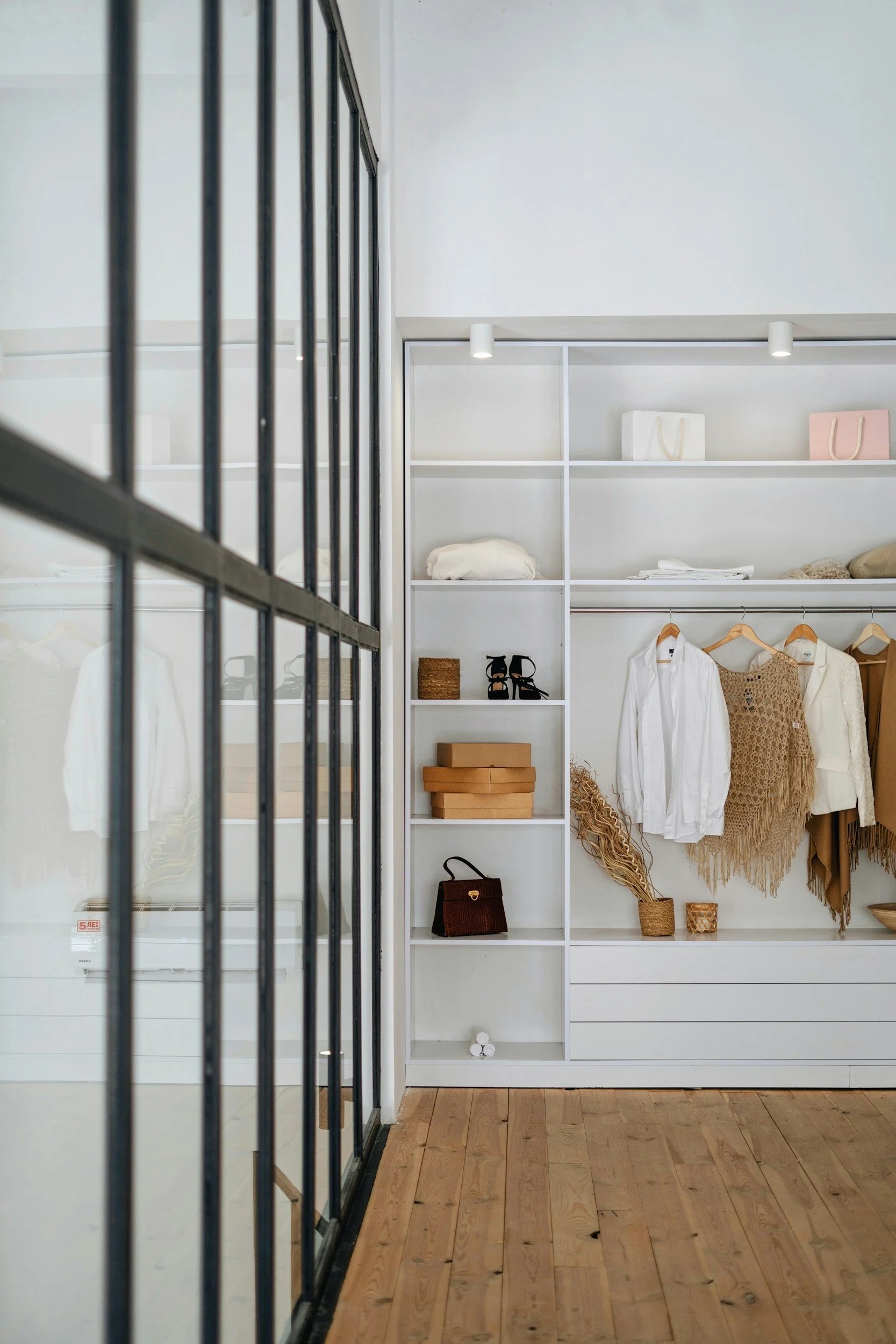
By choosing thoughtful actions, you can cut waste, lower carbon emissions, and support healthier communities. Intentional living encourages smarter choices, alleviating environmental stress. Ultimately, fewer belongings create a lighter move and, most importantly, a lighter impact on the planet.
The Environmental Cost of Too Much Stuff
Owning a lot of stuff can be a pain, especially when packing for a trip or moving to a new location. Transporting a lot of items with you also can have a sizable environmental impact. Heavy loads increase fuel consumption because trucks and planes have to work harder during transport. Each extra box or suitcase adds weight that boosts fuel burn and raises emissions. The truth is that many households pack more than they need, and this habit pushes pollution higher. Transporting items can also generate a lot of waste from the large amounts of cardboard, tape, and plastics needed in the process.
In contrast, lighter loads reduce emissions and stress at the same time. People who sort items early often avoid trying to fit everything in allowing for calmer travel or moving days with fewer tasks. Overall, thoughtful choices reduce demands and lead to less fuel, less waste, and above all, less stress.
The Importance of Reusing and Buying Less: Giving Items a Second Life
Reusing items is essential, for example, when moving more sustainably and minimizing your environmental footprint. Instead of purchasing new items over and over again, consider repurposing what you already have—such as clothing, furniture and household items. This practice not only saves money but also reduces the demand for new resources, which helps conserve materials. By incorporating the principles of reduce, reuse and recycle, you contribute to a circular economy, where products are given a second life rather than being discarded. This approach not only reduces your environmental impact but also prevents the waste of resources that comes with producing new products. Additionally, buying less encourages a more mindful lifestyle, where quality is prioritized over quantity.
.

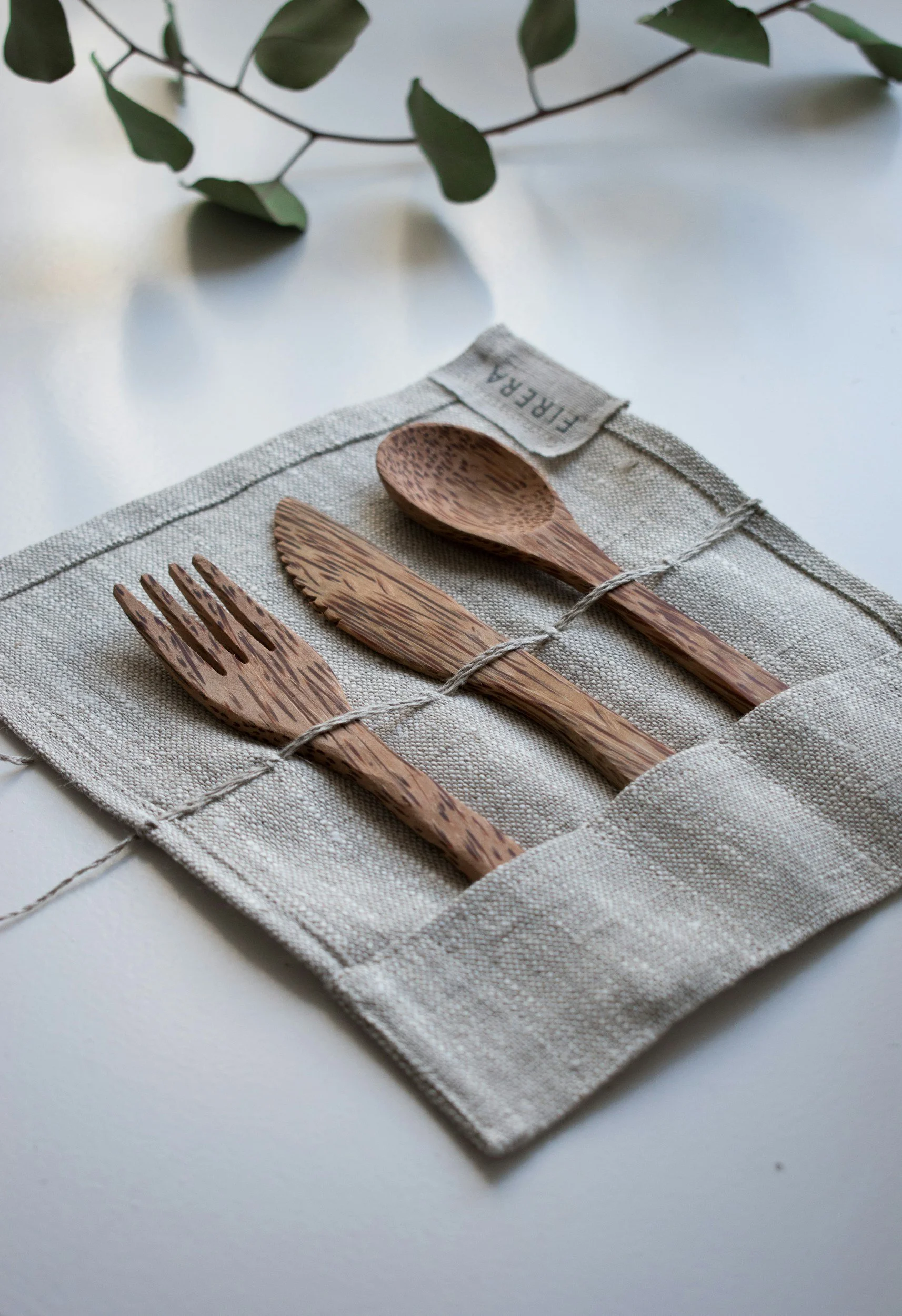
Supporting the Circular Economy: Closing the Loop on Waste
Supporting the circular economy can make a substantial difference in your day-to-day. Globally, 121 to 142 million people are currently working in circular economy jobs like repair, recycling, and waste management. By participating in this sustainable system, you ensure that items avoid ending up in a landfill. How can you engage with the circular economy? First, consider selling or donating items you no longer need, allowing others to re-use them. Then, choose second-hand or upcycled goods instead of buying new items, contributing to a more sustainable cycle. Additionally, many cities offer recycling programs to help you dispose of unwanted items in an environmentally responsible way to keep our cities cleaner. By embracing the circular economy, you not only help reduce waste but also play a key role in preserving valuable resources.
A Greener Future Starts With Intentional Choices
By owning less, it makes it much easier to reduce waste, lower fuel consumption, and opt for eco-friendly items. Simple, consistent decisions create lasting change, strengthening responsible living. Downsizing your lifestyle demonstrates how owning less helps the planet by minimizing your environmental impacts. Each intentional step lightens your footprint, guiding your next chapter with purpose.
Author’s Bio: Pamela Jackson is a passionate advocate for sustainable living and eco-friendly practices. With years of experience in environmental writing, she focuses on practical tips for reducing waste and living more consciously. When she's not writing, Pamela enjoys exploring nature, decluttering her home, and spreading awareness about greener choices.
Sea Going Green is a sustainable tourism consultancy that works together with hotels, resorts and tourism operators to support their sustainable tourism efforts while also spreading the word about how you can embrace a sustainable lifestyle. Want to know more? Get in touch.
Search the Blog….




Visit us on Instagram


For anyone weighing a long-term stay on a small island, the math of island living isn't just rent and reef views. It's water supplies, energy systems, waste infrastructure, and how far your belongings travel to reach you. Understanding these pressures upfront makes it possible to settle in without adding unnecessary strain to the place you've chosen to call home.