
Smart Storage and Energy Efficiency Tips for Hotel Back of House Operations
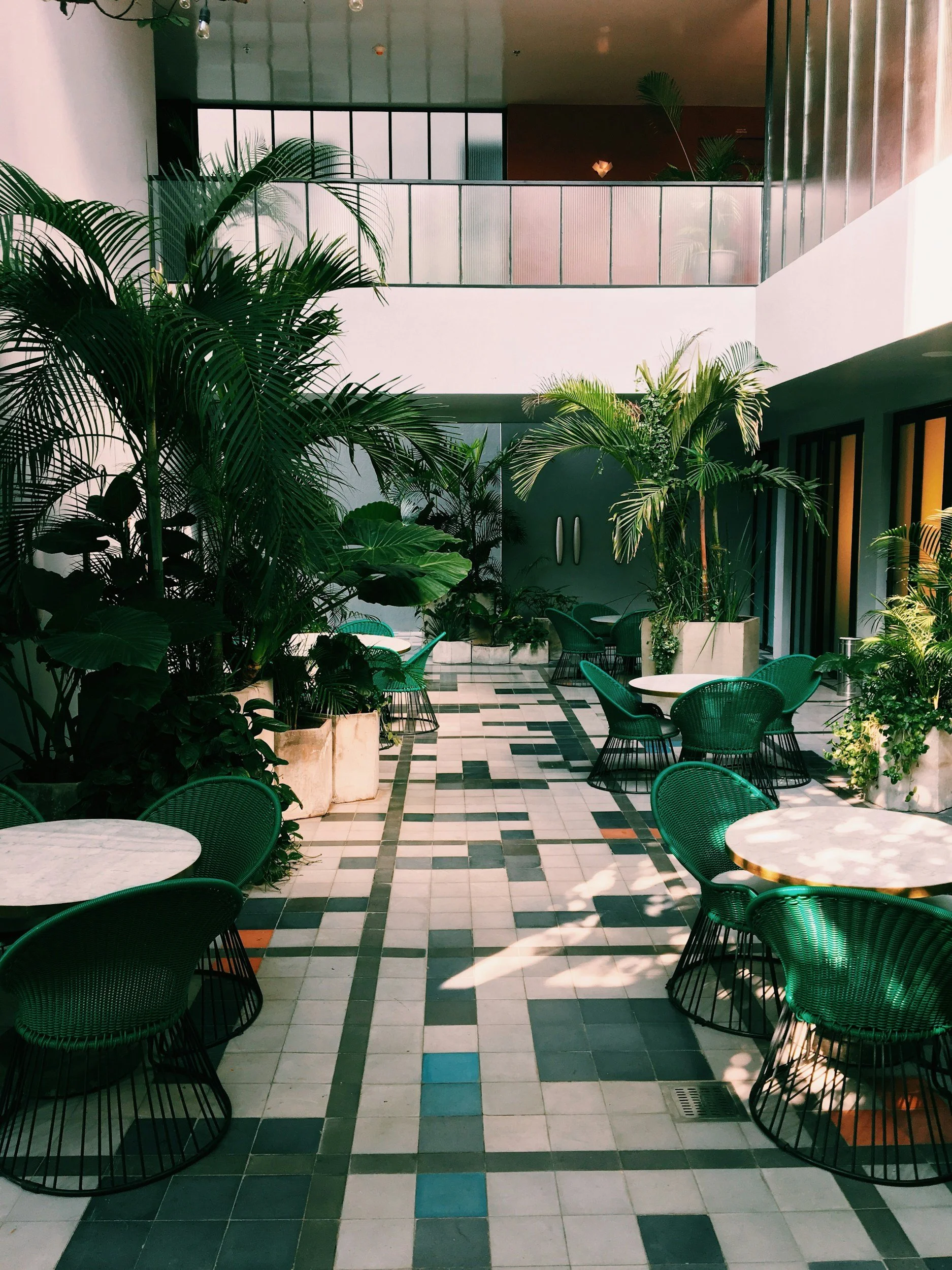
Hotel back of house operations include all areas that guests rarely see, such as storage rooms, kitchens, and laundry spaces. These areas drive daily hotel performance and shape service quality. Poor organization raises costs and slows staff tasks. Disorganized storage leads to wasted supplies and higher energy use, while equipment often runs longer than necessary, increasing utility bills. In contrast, efficient systems support faster service and better resource control. Smart storage improves access and reduces waste, and energy-saving practices lower expenses while supporting sustainability goals. Clear processes help teams work faster and reduce errors. Overall, strong back-of-house planning ensures consistent service and long-term cost control.
Smart Storage Systems That Reduce Waste and Save Space
To build on effective back of house operations, efficient storage improves space use and reduces waste. Vertical storage solutions use wall height to free up floor space. Staff move faster and access items with less effort. Modular shelving offers storage flexibility as storage needs change over time. Adjustable units support better organization, while clear inventory categorization keeps items grouped by type, usage, or date. This allows teams to find products quickly and reduce overstock issues. Labeling systems ensure clear identification for every item in storage, and digital tracking tools provide real-time updates while reducing manual errors. As a result, these systems cut waste and improve daily workflow. Organized storage reduces search time, supports stock rotation, and improves space efficiency across all back-of-house areas.
Energy-Efficient Lighting Strategies Behind the Scenes
Energy-efficient lighting improves visibility and reduces power use in hotel back of house operations. LED lights consume less energy and last longer than older bulbs, providing staff with brighter and more consistent lighting. Motion sensors automatically switch lights off in empty areas, reducing unnecessary usage, while zoned lighting ensures that only active spaces are illuminated during work hours. In contrast, older systems waste energy and increase maintenance costs. Regular lighting checks help teams identify faults early and maintain performance. Additionally, updated lighting systems support safer working conditions and improve task accuracy. Clear visibility reduces errors and speeds up daily tasks. Overall, smart lighting choices lower expenses and improve operational control across storage rooms, corridors, and service areas without adding complexity.
Reducing Water and Energy Waste in Utility Areas
Utility areas consume large amounts of water and energy each day, making efficiency essential. Efficient equipment reduces waste and improves performance, while low-flow fixtures cut water use without affecting cleaning quality. Laundry machines should run with full loads to avoid excess cycles, and staff must fix leaks quickly to prevent ongoing waste. However, many facilities overlook small issues that increase costs over time. Dishwashing systems should use the correct settings for each load size, ensuring efficient use of both water and power. Smart storage practices support choices that are good for the planet, while organized spaces reduce unnecessary resource use. Together, these steps support sustainable operations and lower long-term expenses.

Temperature Control and Smart Refrigeration Practices
Temperature control supports food safety and reduces energy waste in storage areas. Refrigeration units should operate at stable, recommended levels at all times, and staff must avoid overloading them to maintain proper airflow and cooling efficiency. Energy-efficient models reduce power while ensuring consistent performance. Regular maintenance helps prevent system strain and extends equipment lifespan. Therefore, teams should monitor temperature levels daily and adjust settings when needed. Proper door sealing also prevents cold air loss and reduces energy waste. However, poor handling practices can increase energy costs and risk product spoilage. Organized storage inside units improves airflow and reduces cooling time. Smart refrigeration practices protect inventory quality while lowering operational expenses.
Hotel Back of House Operations: Integrating Smart Tech Solutions
Smart technology improves efficiency and control across storage and energy systems. Sensors track temperature, lighting, and equipment usage in real time, allowing staff to receive alerts and respond quickly to changes or issues. Automated systems reduce manual tasks and improve accuracy, while central dashboards display data to support informed decision-making. As a result, hotels can adjust operations based on real usage patterns. Data insights help teams reduce waste and improve planning.
In contrast, outdated systems limit visibility and increase operational risks. Smart tools support better coordination between departments, helping teams improve response times and maintain consistent standards. Overall, technology adoption strengthens performanceand supports long-term efficiency goals in hotel back-of-house environments.
Streamlining Inventory Flow for Better Efficiency
Efficient inventory flow reduces waste and improves daily operations. The FIFO method ensures older stock is used before newer items, helping staff maintain product freshness and reduce spoilage risks. Digital inventory systems track stock levels and support quick updates, allowing teams to avoid overordering and maintain balanced supply levels. Similarly, clear storage zones help staff locate items without delay, while organized flow reduces time spent searching during busy hours. In contrast, poor tracking can lead to excess stock and unnecessary waste. Regular stock checks help teams stay accurate and responsive, while simple processes improve consistency and reduce handling errors.
Staff Training for Sustainable and Efficient Practices
Well-trained staff support efficient storage and energy use every day. Teams follow clear procedures and maintain organized workspaces, while training programs reinforce energy-saving habits and proper equipment use. Staff understand how daily actions affect costs and performance, and consistent training improves accountability while reducing errors. Supervisors should monitor progress and provide regular feedback, and clear guidelines help staff follow best practices across all tasks. Team collaboration improves workflow and reduces delays, and staff who understand systems work faster and handle inventory with care. Ongoing education keeps teams updated on new tools and methods, supporting reliable operations and improving overall efficiency.
Driving Long-Term Efficiency Behind the Scenes
Smart systems and clear processes improve hotel back-of-house operations every day. Efficient storage and energy control reduce waste and costs, while teams work faster with better organization and tools. Ongoing improvements support strong performance, reliable service, and sustainable practices across all operational areas. Overall, these efficiencies create a more resilient and cost-effective operation that can adapt to changing demands.
Author’s Bio: Rebecca Anderson is an experienced hospitality writer who focuses on hotel efficiency and operations. She creates clear, practical content for industry professionals and beginners. Her work highlights smart storage, energy savings, and workflow improvements. Rebecca shares actionable insights that help hotels reduce costs, improve performance, and maintain consistent service standards across operations.
Sea Going Green is a sustainable tourism consultancy that works together with hotels, resorts and tourism operators to support their sustainable tourism efforts while also spreading the word about how you can embrace a sustainable lifestyle. Want to know more? Get in touch.
Search the Blog….







Visit us on Instagram







For anyone weighing a long-term stay on a small island, the math of island living isn't just rent and reef views. It's water supplies, energy systems, waste infrastructure, and how far your belongings travel to reach you. Understanding these pressures upfront makes it possible to settle in without adding unnecessary strain to the place you've chosen to call home.