
Rethinking Luxury Travel Through an Ocean-First Lens
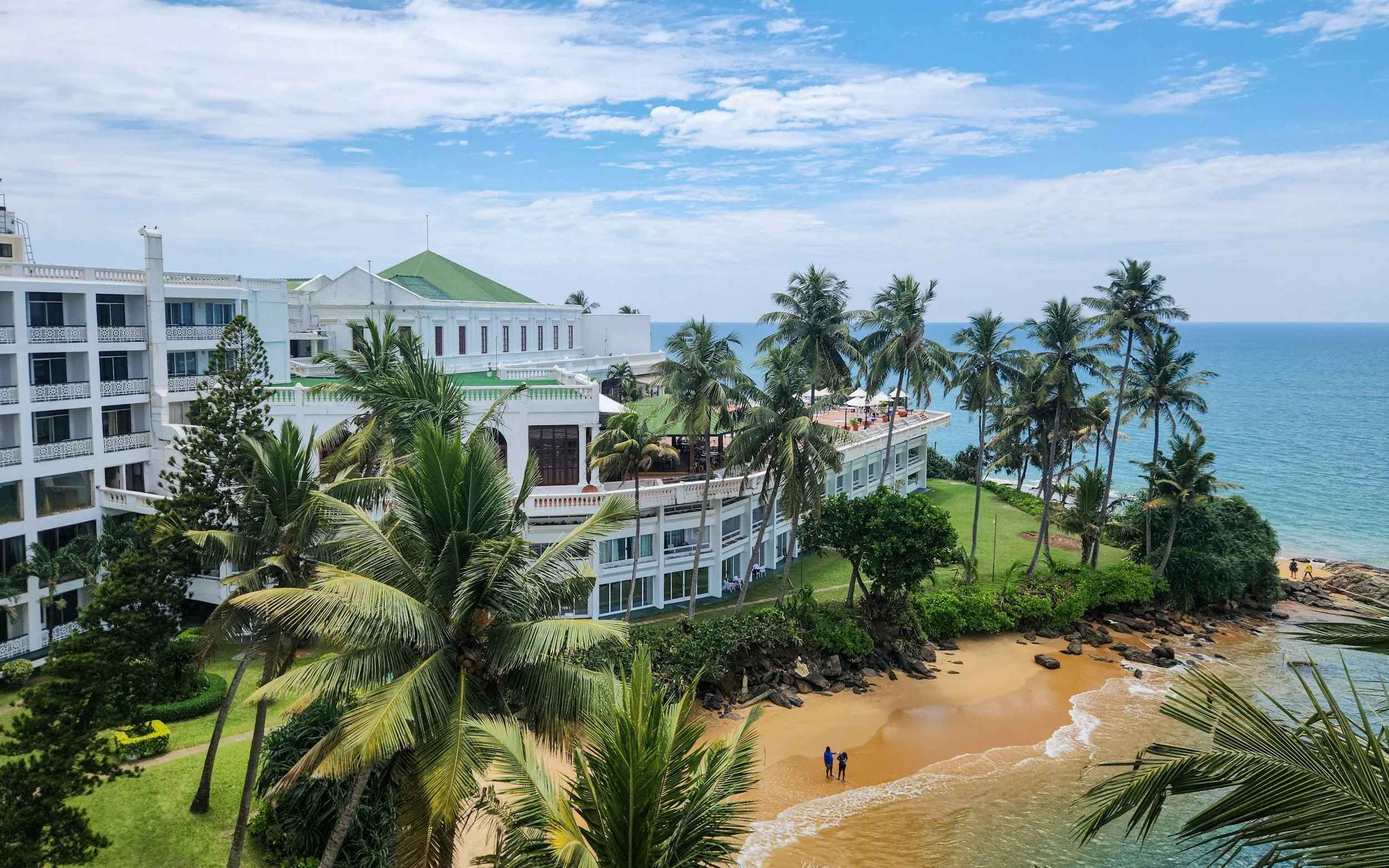
Rethinking luxury travel starts by putting the ocean at the heart of every decision. While traditional luxury emphasized privacy, scale, and visual appeal, ocean-first approaches prioritize protection, regeneration, and long-term ecological stewardship.
Designing Experiences Around Marine Ecosystems
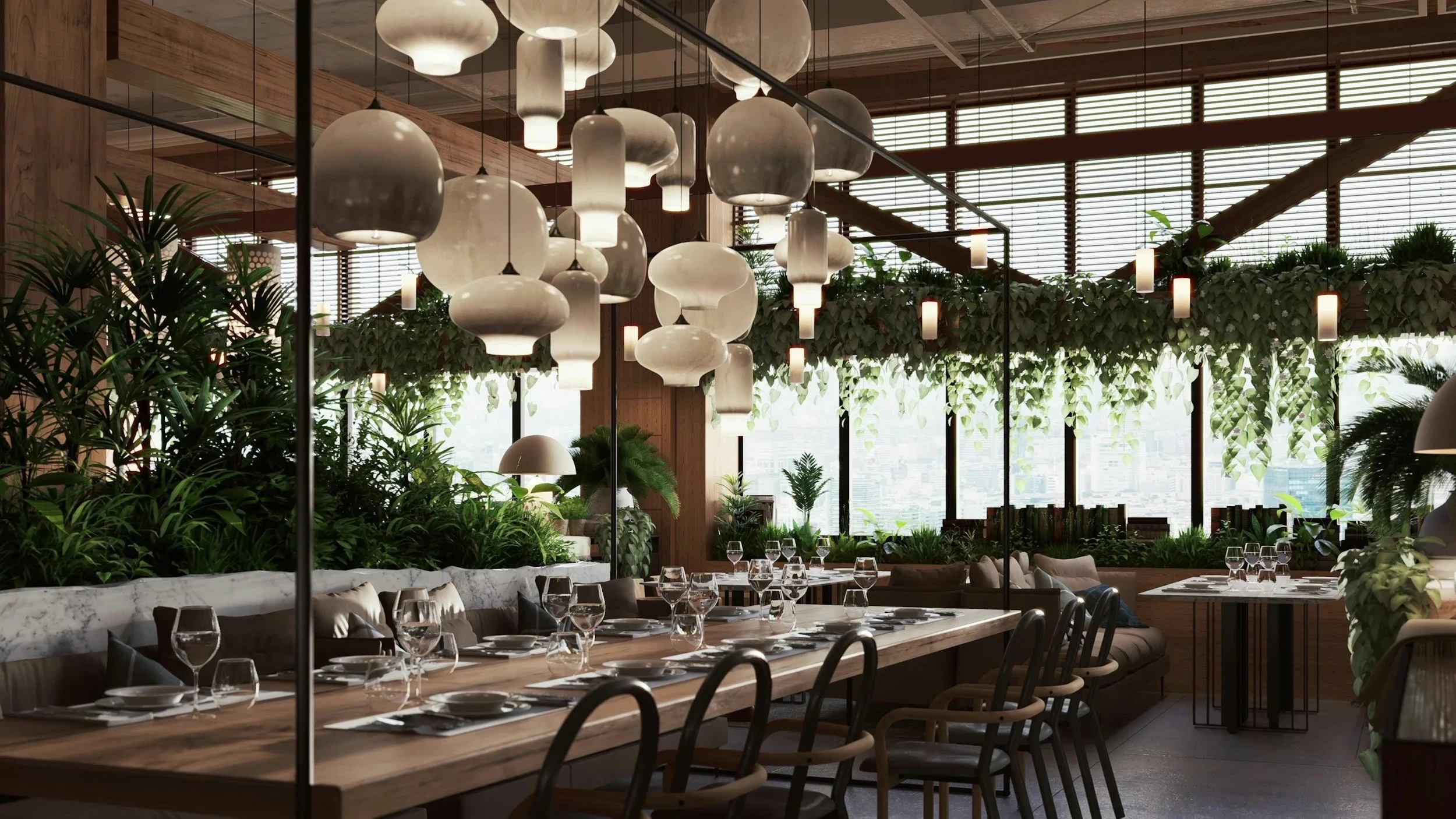
Ocean-first planning begins long before architects sketch their first designs. Developers first conduct environmental impact assessments and detailed habitat mapping to identify coral reefs, seagrass meadows, and tidal patterns. Marine biologists play a central role in shaping site selection and layout choices, helping minimize dredging and sediment disruption. By contrast, many earlier projects reshaped coastlines with little to no ecological evaluation.
Resorts that have successfully avoided reef disruption often witness the return of vibrant marine life, reinforcing the importance of long-term commitment to sustainable practices. For example, Soneva Fushi integrates conservation teams into its daily operations, while Six Senses Laamu supports sea turtle monitoring programs near its guest villas. These approaches demonstrate how both design and day-to-day management can prioritize ecosystem health. In turn, exclusivity becomes defined by access to thriving marine habitats rather than mere seclusion.
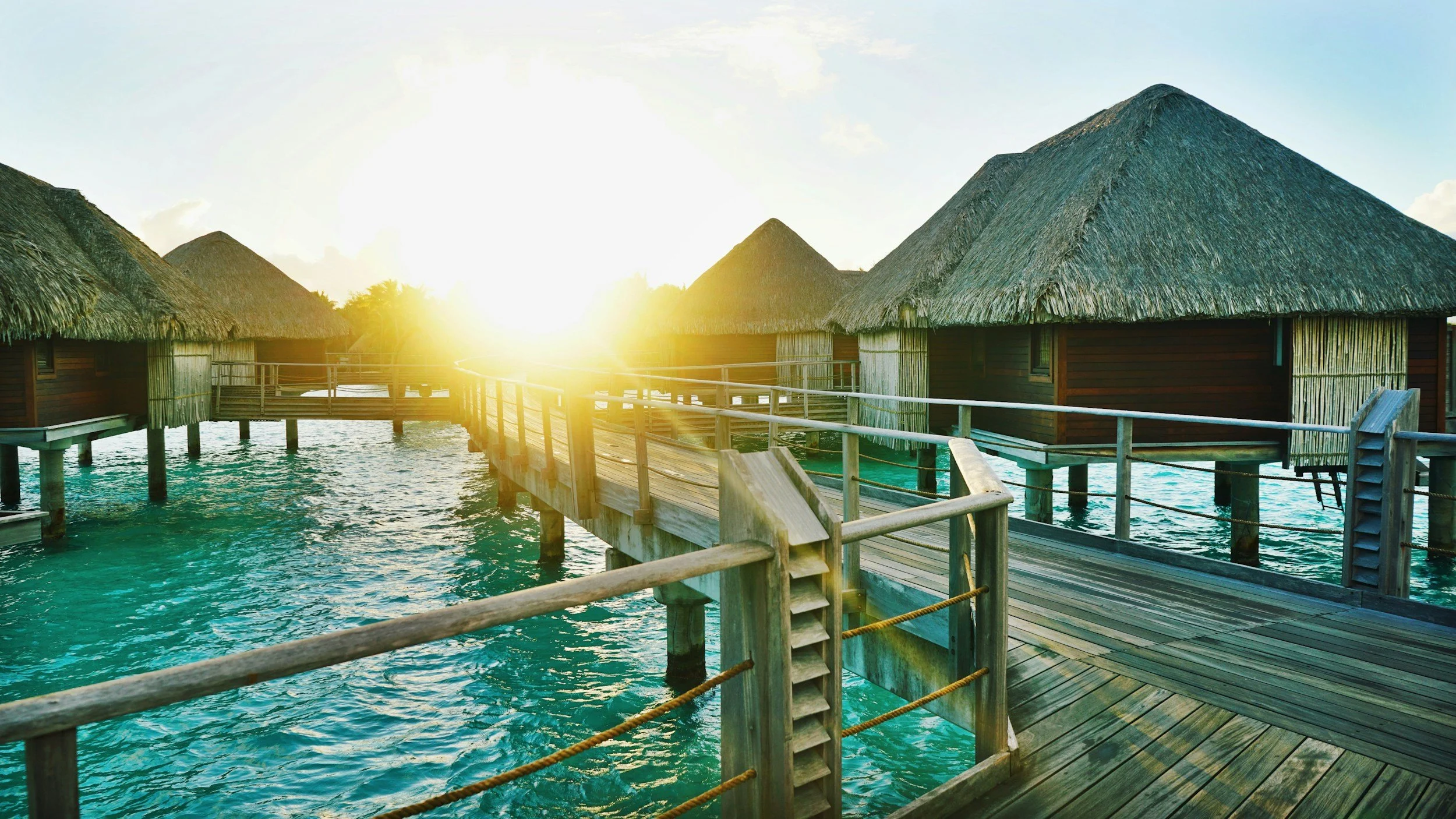
Floating structures can further reduce pressure on the seabed. Overwater villas designed with minimal anchoring systems limit physical disturbance, and tidal flow modeling helps prevent shoreline erosion. Because corals are highly sensitive to light changes, careful spacing between structures is essential. Thoughtful placement not only safeguards reef growth but also enhances the snorkeling experience for guests.
Marine Conservation as the New Status Symbol
Resorts now partner with organizations such as Coral Restoration Foundation and Ocean Conservancy to strengthen the credibility of their environmental programs. These collaborations create measurable impact initiatives, allowing visitors to sponsor coral fragments and monitor their growth online.
In much the same way that wildlife safaris reshaped public perceptions of conservation decades ago, ocean-focused resorts have the potential to drive a similar shift at sea, transforming luxury travel into a platform for marine stewardship.
Logistics Behind Ocean-First Luxury Development
Ocean-first luxury projects demand careful logistics from the earliest stages. Building on remote islands or protected coastlines requires precision and restraint. Every shipment must align with environmental safeguards. Heavy transport can damage fragile shorelines if poorly managed. Therefore, planning material movement becomes a sustainability issue.
Resorts often import modular structures, renewable energy systems, and water treatment equipment. These items travel across oceans before reaching isolated docks. Coordinating delivery windows reduces congestion in small ports. For instance, staggered arrivals prevent fuel waste from idling cargo vessels. Careful routing also avoids sensitive marine zones.
Specialized movers play a critical role in coastal development projects. Transporting prefabricated villas or large solar arrays demands expertise in handling oversized and sensitive cargo. Experienced teams understand coastal regulations and the limitations of fragile terrain, using equipment designed to minimize ground pressure near beaches and mangroves. This approach helps protect dunes and prevents sediment runoff into nearby reefs.
A dependable partner such as Ready 2 Roll Moving can support complex relocation and delivery needs. Their crews manage packing, transportation logistics, and careful unloading to reduce on-site disruption. In projects where timing is influenced by tidal access, precision becomes essential. Professional movers help prevent costly delays that could otherwise extend construction windows and increase environmental impact.
Ocean-Centric Architecture and Regenerative Design
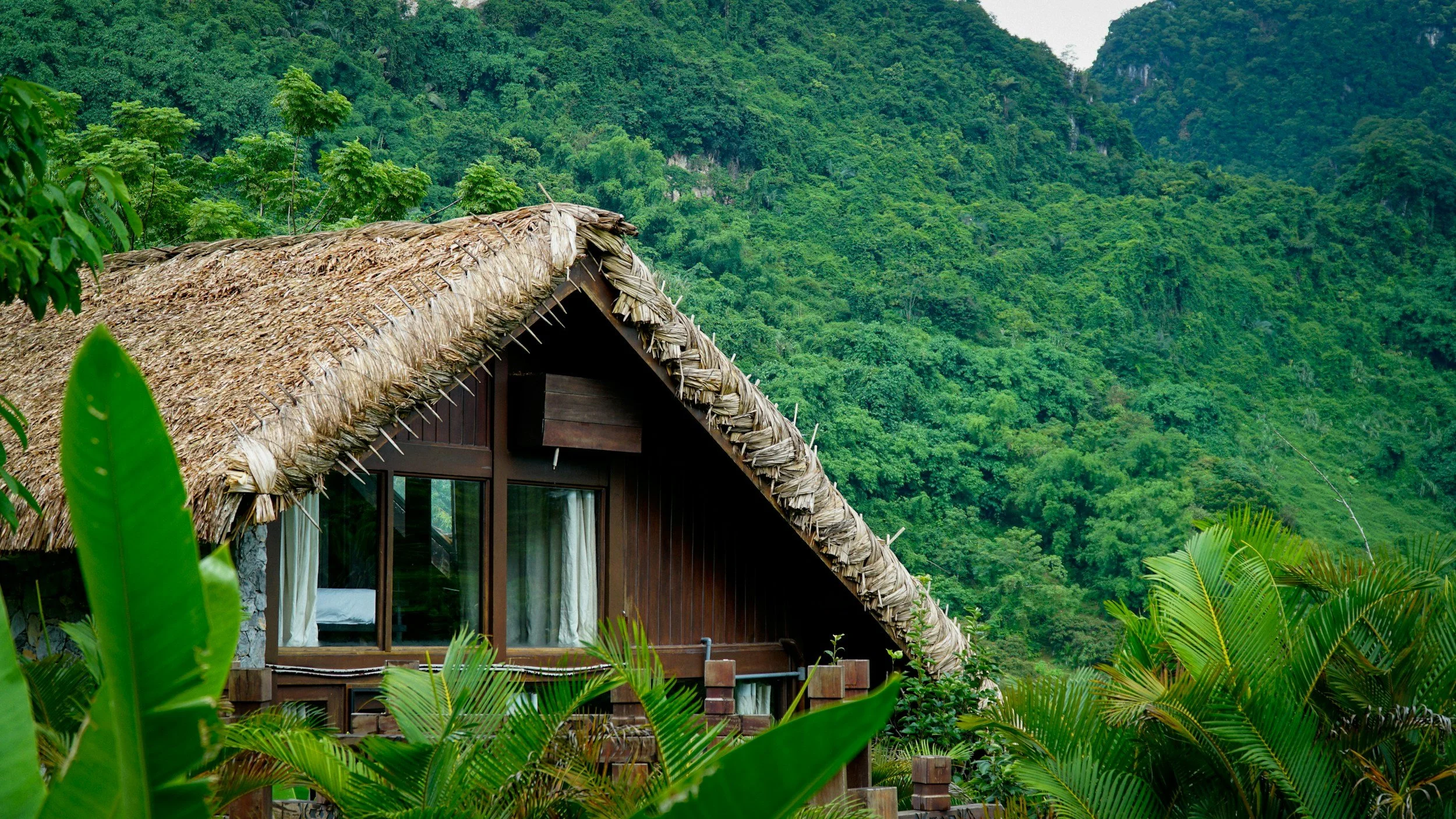
Sea level rise adds urgency to adaptive coastal design. Modular structures make it possible to relocate buildings if shorelines shift over time, while elevated walkways reduce pressure on dunes and sensitive sea turtle nesting sites. Solar-powered desalination systems lessen dependence on imported freshwater, and wastewater recycling helps protect lagoons from nutrient overload that can damage coral ecosystems.
Material choices are equally important. Some synthetic plastics shed microfibers that enter marine food chains, so resorts can prioritize natural fibers and certified low-impact composites instead. Luxury properties, in particular, should ensure their operations generate no new pollution streams. Responsible construction ultimately safeguards both the ecological integrity and the pristine aesthetics that guests expect.
Local Ocean Gastronomy
Food choices shape marine impact more than most guests realize. Imported seafood increases carbon emissions and hides sourcing practices. Ocean-first resorts build menus around local, line-caught species. They remove endangered fish from offerings and seasonal catch calendars guide menu rotation.
Noma, for example, has helped elevate marine foraging into fine dining. Coastal resorts can apply similar thinking with regional species. Seaweed, mollusks, and small pelagic fish often regenerate quickly. These ingredients reduce strain on apex predators. For example, reef-safe aquaculture can supply oysters and clams that filter water naturally.
Zero-waste kitchens further protect marine ecosystems. Fish bones and shells can enrich soil for island farms. Compost systems reduce landfill leakage into the sea. Furthermore, storytelling connects guests to fishing communities. Culinary experiences then support cultural heritage and ocean stewardship at the same time.
Ocean Mobility: Yachts, Submersibles, and Emission-Free Exploration
Marine transport remains a major source of coastal pollution. Large yachts frequently damage fragile reefs by anchoring directly on them, but dynamic positioning systems provide a safer alternative, keeping vessels stationary without dropping anchors and preventing coral crushing.
Hybrid and electric vessels are now entering the luxury charter market. For example, Silent-Yachts produces solar-powered catamarans that enable quiet cruising, reducing engine noise and stress on marine mammals. Submersible excursions can be enhanced with briefings from marine scientists, giving guests context and promoting responsible exploration of underwater habitats.
Community-Led Coastal Economies
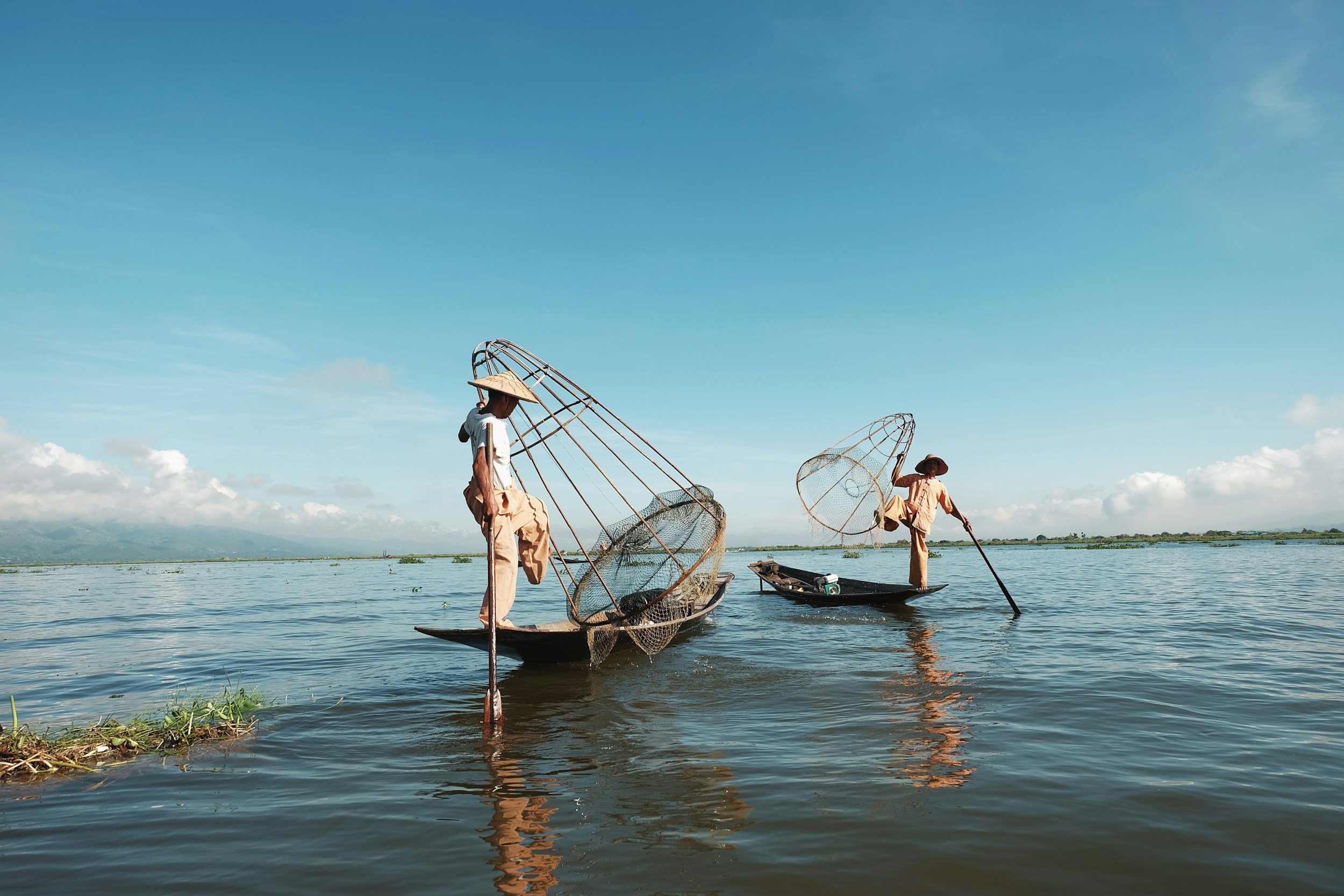
Ocean-first luxury must also benefit coastal residents and be focused on sustainability. Fair contracts with local fisheries help stabilize community income, while hiring marine rangers from nearby villages provides both employment and expert stewardship of marine resources. This approach builds stewardship and reduces illegal fishing.
Cultural immersion programs can also be developed to deepen guest understanding of maritime traditions. Visitors can learn traditional navigation or net weaving. Revenue-sharing agreements with marine protected areas bolster conservation funding, while transparent reporting lets guests see how their spending supports reef patrols and local coastal schools.
Summary: The Future of Rethinking Luxury Travel Is Blue
The ocean underpins the beauty and exclusivity that coastal resorts offer. Without healthy reefs and fisheries, luxury loses its foundation. Rethinking high-end travel means focusing on regeneration rather than extraction, with developers prioritizing science-driven planning and measurable accountability.
Guests increasingly favor brands that protect marine ecosystems, valuing access to thriving coral reefs and clear lagoons. Purpose now shapes purchasing decisions in luxury travel. By placing oceans first, resorts safeguard both biodiversity and their business model, creating lasting value for travelers, local communities, and the sea itself.
Bio: Daniel Mercer is a luxury travel strategist and sustainability writer focused on ocean-first tourism models. He advises coastal resorts on marine conservation integration and regenerative design strategy. His work explores rethinking luxury travel through measurable impact, responsible development, and community-led innovation.
Sea Going Green is a sustainable tourism consultancy that works together with hotels, resorts and tourism operators to support their sustainable tourism efforts while also spreading the word about how you can embrace a sustainable lifestyle. Want to know more? Get in touch.
Search the Blog….


Visit us on Instagram

For anyone weighing a long-term stay on a small island, the math of island living isn't just rent and reef views. It's water supplies, energy systems, waste infrastructure, and how far your belongings travel to reach you. Understanding these pressures upfront makes it possible to settle in without adding unnecessary strain to the place you've chosen to call home.