
How Can We Raise a Greener Generation Starting Today
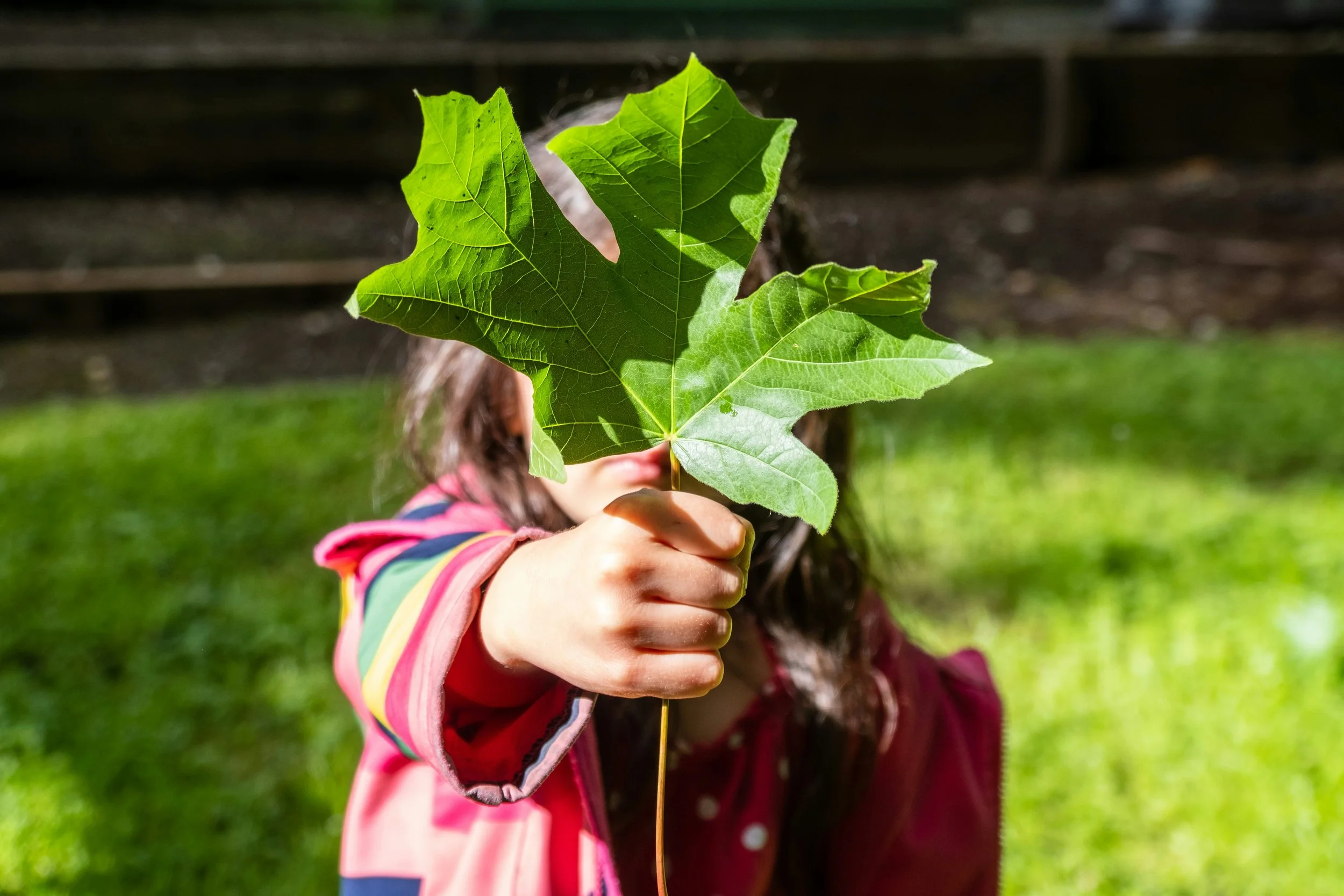
Building green habits can be a tall order, especially when unsustainable habits have almost become normalized in today’s generations. The exact generations that have contributed to today’s environmental crises need to unlearn these habits, so the future generations do not fall into the same trap of normalizing the contribution to excessive waste, overconsumption, and poor resource management.
Because of this, raising a greener generation will necessitate a lot more than awareness or fact-sharing with kids about the environment. Creating spaces and routines that encourage sustainable thinking at an early age is what needs to be accomplished.
That being said, schools and families similarly have a huge say in one’s environmentally responsible behaviors. Reducing waste, conserving energy, reusing materials, and practicing mindful consumption are some practices that can help children develop long-lasting habits. When these practices are consistently reinforced in these settings, they become more aware of the consequences of their actions.
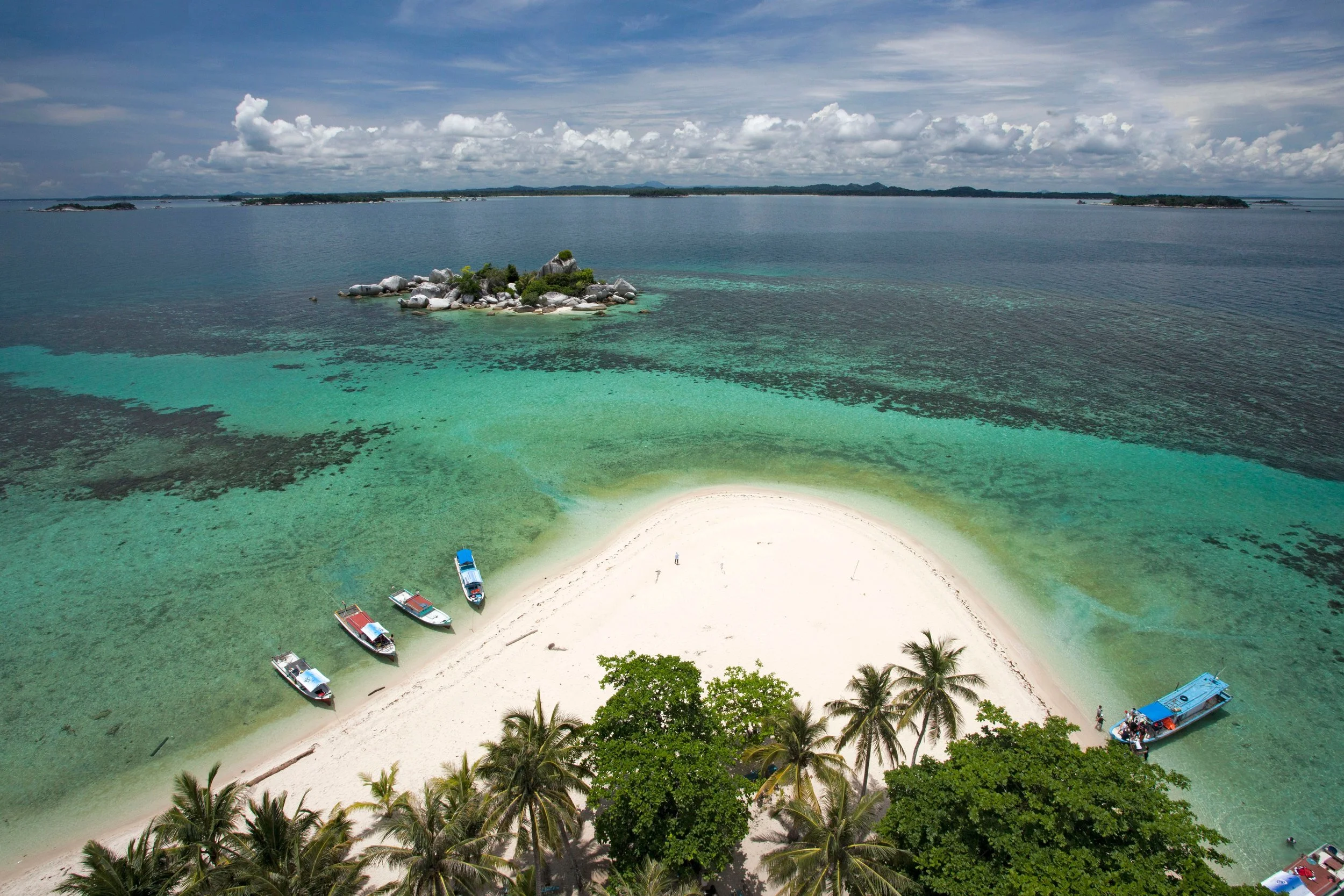
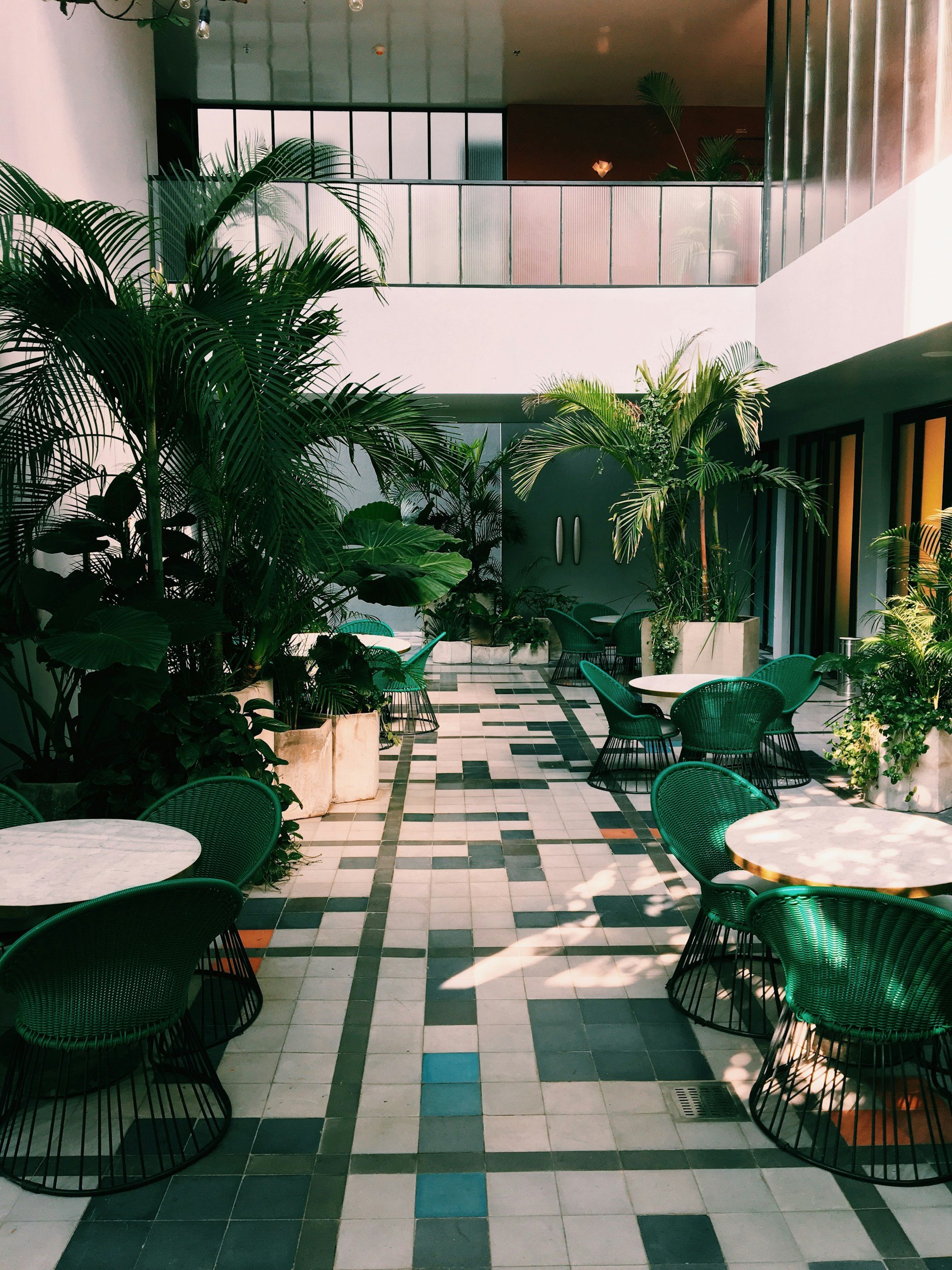
As long as the kids are outdoors, their environment will matter. When kids are out of school or their homes, perhaps enjoying their summer vacation at the beach. Whether they stay at resorts, relax in hotels, or enjoy a leisure tour with their tourism operators, there is undeniably an impact on how these institutions instill eco-friendly values among children.
Why Raising a Greener Generation Matters
Environmental neglect is real. In many cases, it is factually irreversible. For example, the melting ice sheets in Greenland and Antarctica would signify that rising sea levels will continue after multiple lifetimes. The loss of species, due to environmental destruction, is also another one of the many dire, irreversible environmental consequences that we face today.
While there is only so much we can do as individuals, collective action matters and can still make an impact. That’s why raising environmentally conscious children and students matters.
Teaching sustainability early also helps normalize greener behaviors in everyday life. Simple practices such as conserving water, minimizing unnecessary consumption, and supporting sustainable initiatives can gradually create a more environmentally responsible society.
The Role of Hospitality Spaces in Building Sustainable Habits
Hospitality spaces can influence a kid’s eco-friendly values. There are a few ways they can affect that.
Encouraging Eco-Friendly Practices in Hospitality Spaces
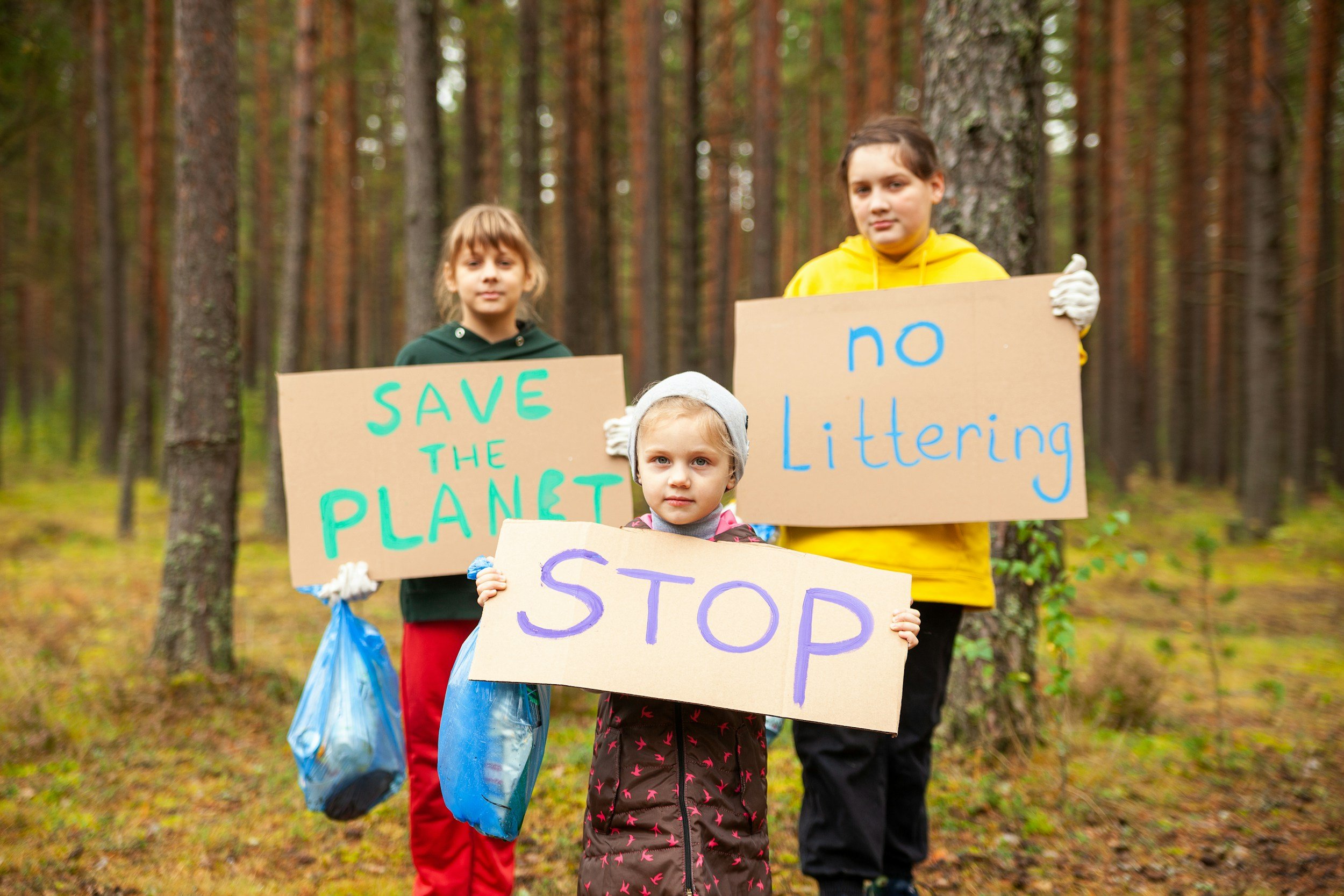
One way to start integrating eco-friendly practices into hospitality spaces is to discourage the consumption of single-use plastics. Disposable utensils, straws, and sachets are some of these forms.
Resorts and hotels can help children become more environmentally conscious by encouraging the use of reusable alternatives such as water bottles, food containers, eco-bags, and metal utensils.
Posters on simple practices, such as switching the lights off when not in use or only consuming the needed amount of water, are also great, small ways to incorporate sustainable practices in everyday lives. That way, children are taught that their seemingly small, repeated actions can be impactful.
Recycling and Proper Waste Management
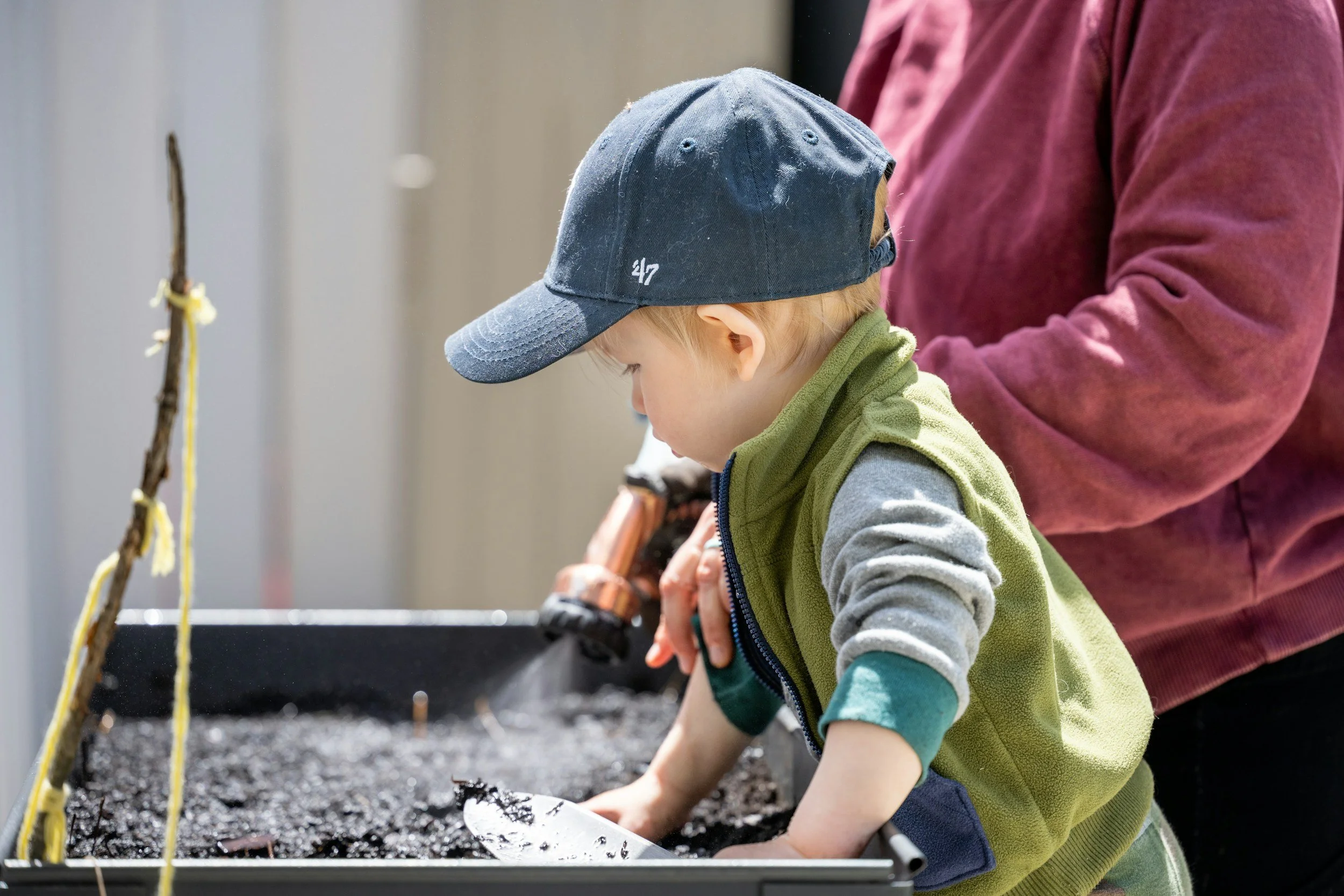
Proper waste management is another practice that is easy to teach kids. Separating biodegradable, recyclable, and non-recyclable waste encourages responsibility and environmental awareness.Hospitality spaces can make recycling more engaging by involving children in simple activities such as organizing recycling bins, repurposing materials where possible, or participating in local community efforts. These experiences help sustainability feel practical and achievable rather than abstract or complicated.
Leading Through Daily Operations
Of course, it helps to practice what you preach, and to be consistent in doing so. In fact, children can learn better from observation rather than verbal instruction.
Hospitality staff will influence children’s behaviors when they’re in the property, and possibly even beyond their stay . Basic practices such as waste reduction and energy conservation can help reinforce a culture of environmental responsibility that guests can appreciate.
Energy-Saving Operational Practices
Hospitality establishments can adopt simple energy-saving practices that reduce unnecessary electricity consumption while demonstrating responsible resource management. Turning off lights and equipment when not in use, maximizing natural lighting and ventilation, and using energy-efficiency systems are excellent examples of sustainable habits to teach.These small actions demonstrate that sustainability can be integrated into everyday operations without requiring major lifestyle changes. Similar to how schools implement such initiatives, like school technology planning for greener learning environments, hospitality establishments can also adopt energy-efficient systems to support long-term environmental goals.
Supporting Sustainability Through Dining Practices
Hospitality establishments can also promote sustainability through responsible dining operations. Sourcing ingredients locally, reducing food waste, and offering reusable or biodegradable food packaging are effective ways to minimize environmental impact while supporting local communities.Some resorts and hotels also incorporate farm-to-table experiences or sustainable seafood practices, helping guests become more aware of how responsible consumption contributes to environmental preservation and community development.
Final Thoughts
It’s the small choices that we make everyday that makes an impact. Even in the grand scheme of things, long-term environmental change will begin with consistency in habits and awareness developed early in life. And what better way to do that than by teaching our future generations the value of sustainability? The future generations have the power to change or even reverse the course of our environmental crisis. Sure, it will be a steep mountain to climb, but by making informed choices and participating in collective action, we may finally see a glimmer of hope.
Sea Going Green is a sustainable tourism consultancy that works together with hotels, resorts and tourism operators to support their sustainable tourism efforts while also spreading the word about how you can embrace a sustainable lifestyle. Want to know more? Get in touch.
Search the Blog….


Visit us on Instagram




For anyone weighing a long-term stay on a small island, the math of island living isn't just rent and reef views. It's water supplies, energy systems, waste infrastructure, and how far your belongings travel to reach you. Understanding these pressures upfront makes it possible to settle in without adding unnecessary strain to the place you've chosen to call home.