
What Makes a Travel Stay Truly Sustainable? How Construction Shapes Impact
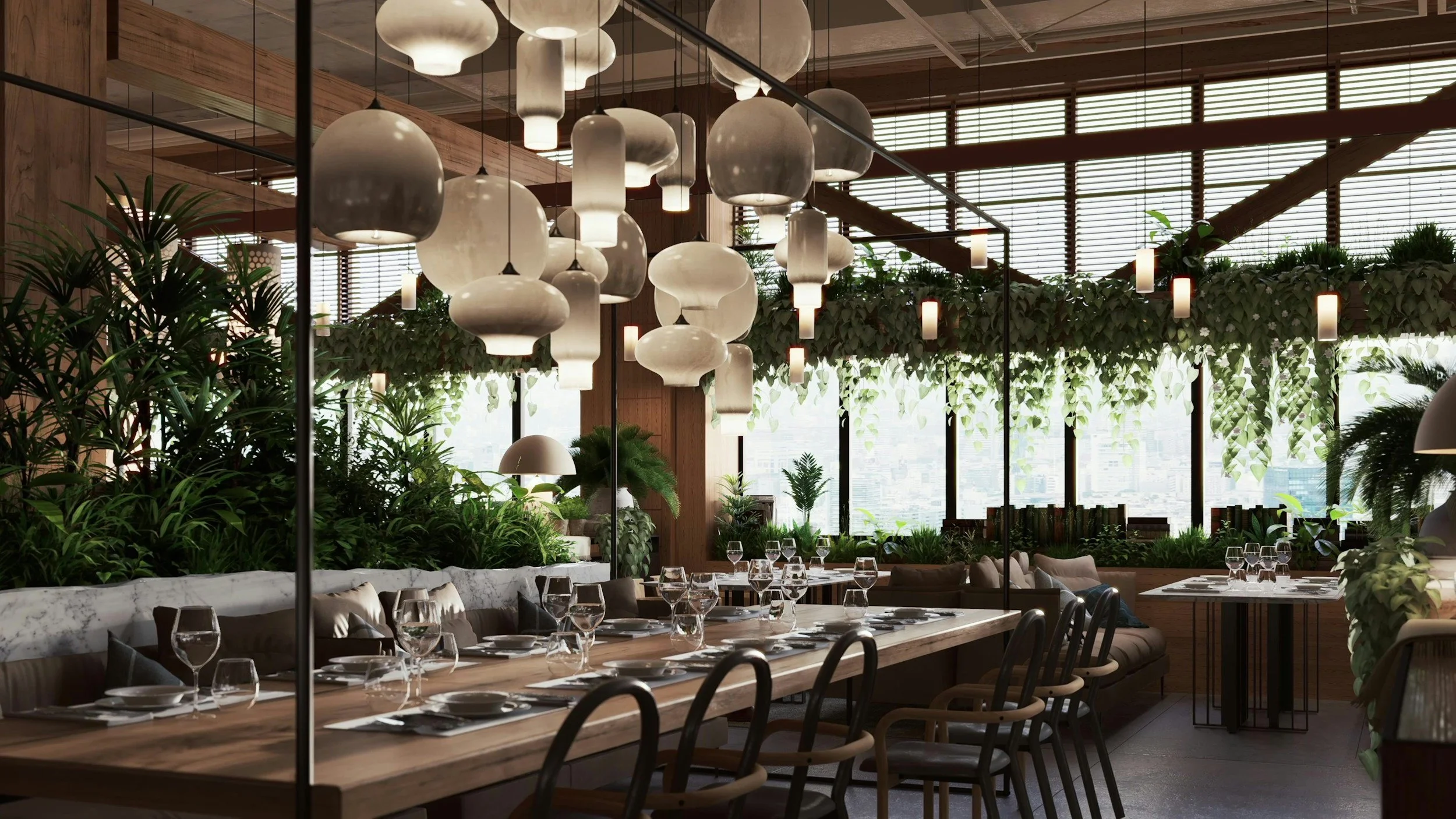
The environmental cost of a tourist’s stay is determined long before a guest ever steps foot in the property. It is found in the materials used in construction, how the land is managed and how the structure itself is built.
The Real Footprint Begins Before Guests Arrive
Every building carries what is often called an embodied footprint. This includes the emissions from producing materials, transporting them, and assembling them on-site. Concrete and steel dominate most conventional developments, and both come with a significant carbon burden. Concrete production alone contributes a notable share of global emissions, while steel requires more energy to process while also leaving a similar mark.
What complicates the discourse is that these impacts are largely invisible once construction has ended. A beachfront resort may look picture-perfect and serene while maintaining an environmentally conscious facade, yet its creation could have required extensive land clearing, heavy machinery, and high-emission materials brought in from far away. By the time guests arrive, the most consequential environmental decisions have already been made.
Rethinking Choice of Materials
There has been a gradual but meaningful shift toward materials that carry a lighter environmental load. This shift changes how spaces feel and how they age over time.
Engineered timber, particularly cross-laminated timber, has become a serious alternative to steel and concrete in certain types of developments. It offers structural strength while storing carbon rather than emitting it, and it allows for faster assembly with less on-site disruption. This is especially gaining popularity in colder regions.
Modular Construction for Higher Efficiency
Another shift, less visible but equally important, is happening in how buildings are assembled. Modular construction, once associated with temporary or utilitarian structures, is now being considered in high-end hospitality projects.
Instead of constructing everything on-site, individual components or entire rooms are built in controlled factory settings and then transported for final assembly. This approach reduces wastage, shortens timelines, and minimizes disruption to the environment. It also allows for more precise use of resources, since materials can be measured and cut under controlled conditions rather than adjusted on-site.
Understanding how construction methods can vary in efficiency and impact is imperative to evaluating these approaches. The differences are not always obvious from the get-go, but they can significantly alter the environmental footprint of a project.
Designing With the Landscape, Not Against It
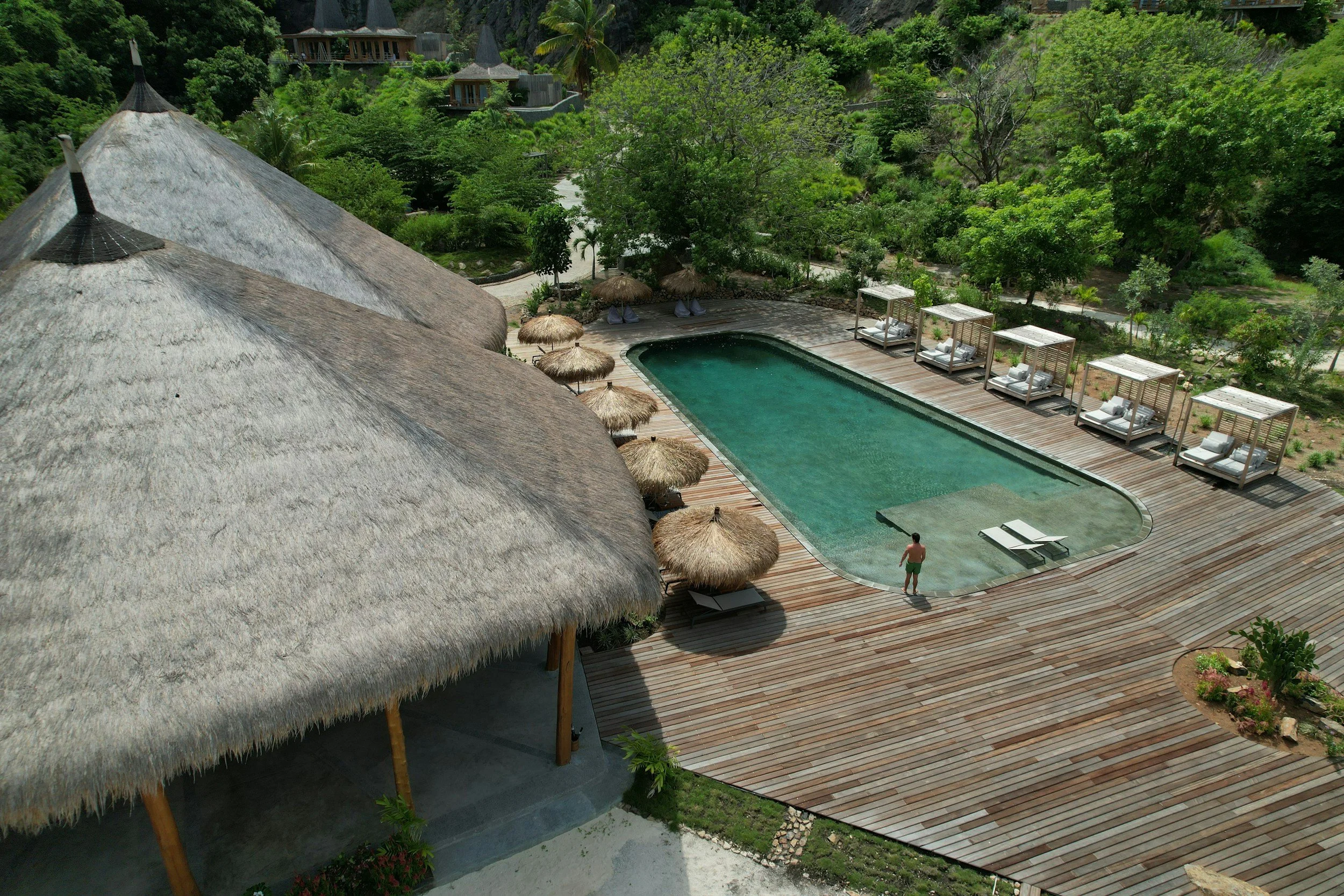
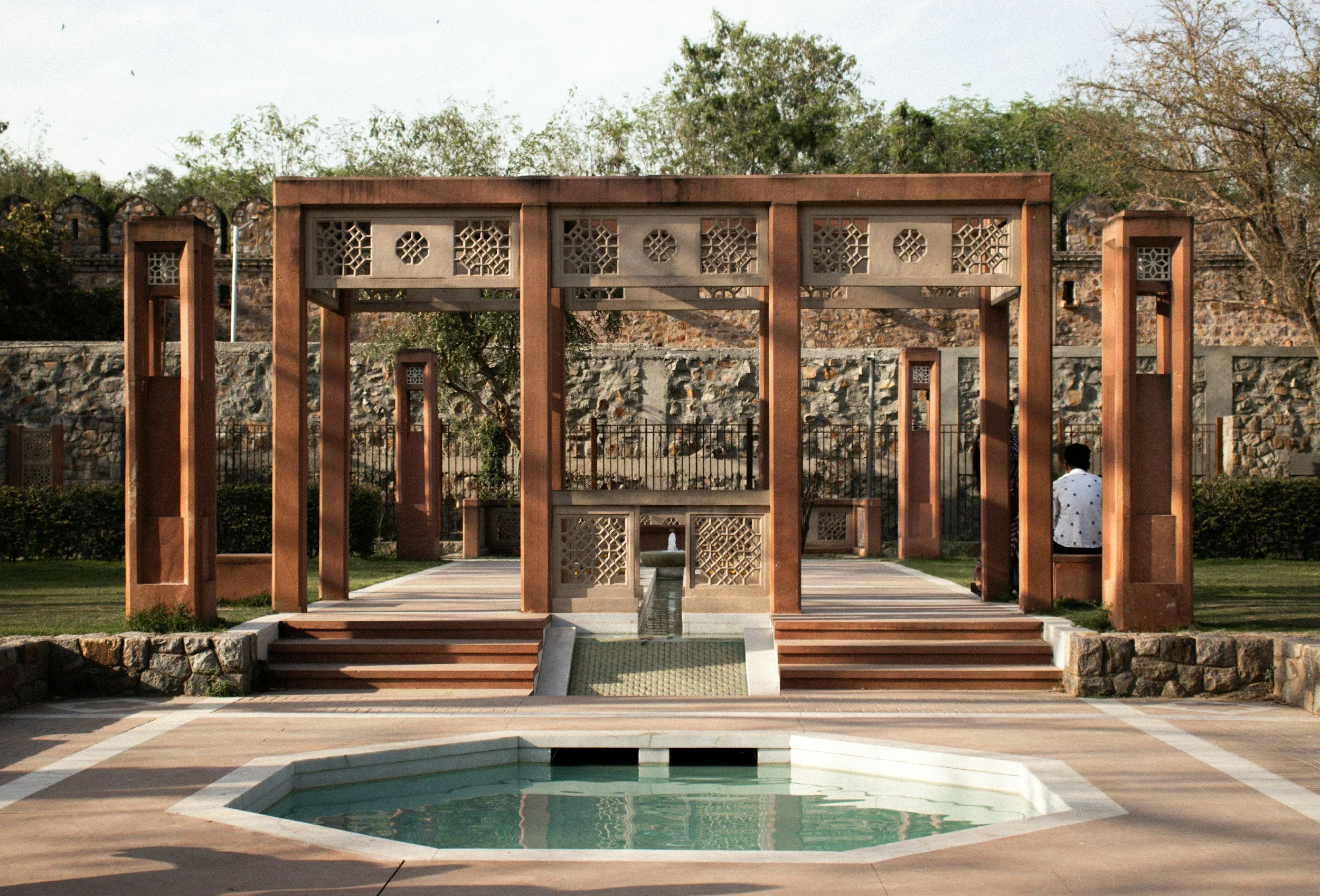
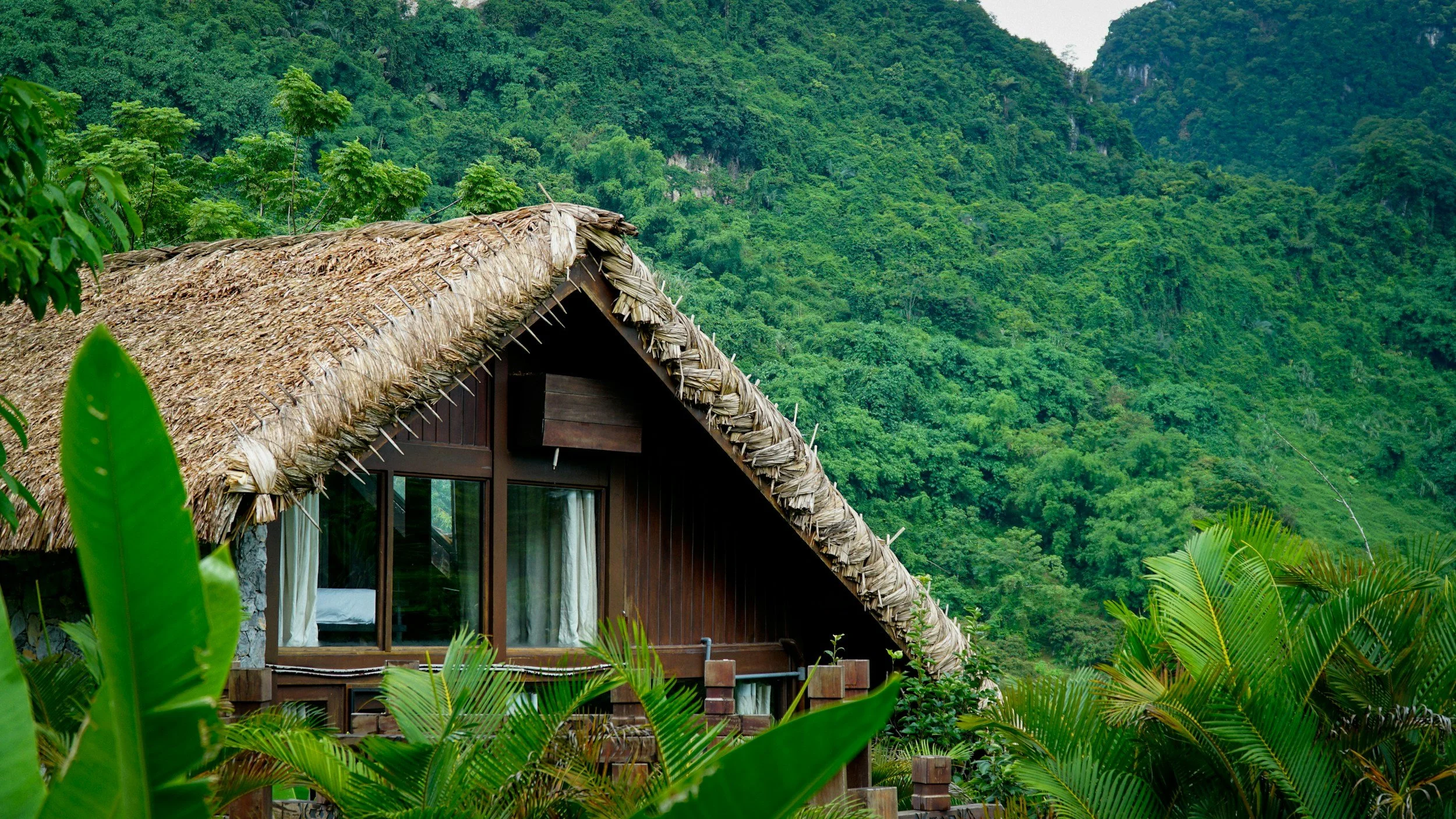
While sustainability is often believed to focus on materials or methods, it is also about how a building sits within its environment. Traditional resort design often prioritized views and density, sometimes at a high cost — the expense of ecological balance. Newer approaches are more restrained. Low-rise structures that follow the natural contours of the land reduce the need for excavation. Elevated walkways can protect sensitive ground conditions. Buildings oriented to maximize natural ventilation reduce reliance on mechanical cooling, particularly in tropical climates. These decisions require some flexibility — you have to be willing to adapt your design depending on the context, rather than strictly imposing a concept onto a site. The result may be less dramatic in a conventional sense, but more durable in environmental terms.
Beyond the Traditional Resort Model
Some of the most compelling examples of sustainable hospitality do not look like resorts at all. They challenge the very idea of what a travel stay should be. There are off-grid cabins being proposed to operate independently of centralized infrastructure, relying on rainwater collection and renewable energy systems. There are modular retreat clusters that can be installed with minimal site disturbance and removed without leaving a permanent mark. In some cases, accommodations are intentionally temporary, allowing landscapes to recover over time. These models suggest that sustainability is not only a question of doing less harm, but also of reevaluating the concept of permanence. A building does not necessarily need to last forever to be valuable.
A Different Standard for “Sustainable” Travel
It is tempting to judge sustainability only by what is immediately visible. Guests notice linen reuse programs, energy-saving devices, and recycled materials in décor. Yes, they can contribute to the sustainable picture, but there is a lot more that goes behind this. A truly sustainable stay begins with decisions that most travelers will never see. It is determined by the sourcing of materials, the efficiency of construction, and the degree to which a building respects its environment from the outset. Without these considerations, sustainability risks becoming a surface-level concept, more about signaling than substance. The next time a hotel presents itself as eco-conscious, the more revealing question may not be about its amenities, but about its origins — how it was built, what it required, and what was left behind in the process.
Sea Going Green is a sustainable tourism consultancy that works together with hotels, resorts and tourism operators to support their sustainable tourism efforts while also spreading the word about how you can embrace a sustainable lifestyle. Want to know more? Get in touch.
Search the Blog….



Visit us on Instagram





For anyone weighing a long-term stay on a small island, the math of island living isn't just rent and reef views. It's water supplies, energy systems, waste infrastructure, and how far your belongings travel to reach you. Understanding these pressures upfront makes it possible to settle in without adding unnecessary strain to the place you've chosen to call home.