
The Role of Local Communities in Sustainable Coastal Tourism

Coastal regions draw millions of visitors each year, captivated by their beaches, marine wildlife, and vibrant coastal cultures. Yet the pressures of mass tourism can strain fragile ecosystems and disrupt local livelihoods. Residents, however, possess invaluable knowledge of their coastlines: insights that are essential for safeguarding natural resources and preserving cultural traditions. By involving local communities, coastal tourism can become more sustainable, ensuring that growth benefits both people and the environment.
Why Coastal Communities Are the True Stewards
People who live by the sea understand their environment better than anyone else. Through daily experience, they observe tides, storms, fish behavior, and seasonal changes, building knowledge that is vital for protecting fragile coastal ecosystems.
Tourism development has a direct impact on housing, traffic, and public spaces. Residents experience these changes firsthand and understand how fluctuations in visitor numbers shape daily life. Their perspectives are essential for guiding balanced tourism policies that support both community well-being and visitor experience.
Responsible tourism extends beyond travel itself. For instance, a family relocating to a coastal town may choose logistics services that allow them to move without harming the environment. A transport company that, for instance, uses efficient routes and low-emission vehicles can support broader sustainability goals. Small decisions like these help reduce pressure on coastal ecosystems.
Similarly, strong local leadership plays a vital role in environmental protection. When communities guide tourism development, they help safeguard both livelihoods and ecosystems. Their involvement ensures that tourism remains aligned with long-term environmental stewardship.
Economic Benefits When Tourism Supports Local Residents
Tourism income can support coastal residents when businesses remain locally owned. Local ownership reduces economic leakage. Large corporations often transfer profits abroad, whereas community businesses circulate income within the local economy.
Guesthouses, food stalls, and boat tours often operate as family enterprises, allowing revenue to stay within the community rather than leaving the region. Small businesses also create stable employment opportunities. Residents work as guides, cooks, boat operators, and craft producers: roles that provide income while minimizing harm to natural resources. This economic flow indirectly then supports schools, healthcare, and infrastructure.Families gain stability while protecting their surroundings. Economic security also reduces pressure to overfish or exploit natural resources.
Travelers influence this system through their daily choices. Choosing a locally run restaurant keeps money within the village, while booking an eco-friendly, family-owned guesthouse supports community income.
Many coastal towns have formed tourism cooperatives, where groups share profits and coordinate visitor services. This cooperation strengthens financial resilience during slow seasons. Local food production also benefits from tourism, as restaurants often buy seafood and produce from nearby fishermen and farmers. This supply chain supports and strengthens the entire coastal economy.
How Local Leadership Drives Sustainable Coastal Tourism
Community leadership helps control tourism growth and prevent environmental damage. Local councils set visitor limits to protect reefs, dunes, and habitats, while residents participate in planning decisions about hotels, transport, and activities to ensure policies reflect community needs.
Authorities also regulate fishing and boating, with measures like speed limits to protect dolphins and turtles and designated zones to safeguard breeding areas. Environmental monitoring often relies on local knowledge, as fishermen and divers can detect coral damage or pollution early, allowing for a rapid response. Many coastal villages also manage marine reserves, tracking visitors and enforcing rules to protect biodiversity while supporting local income.
Travelers play a role by following guidelines, such as staying on marked trails and avoiding contact with reefs. Education further strengthens protection, as guides teach visitors about ecosystems and responsible behavior. Partnerships between communities and conservation groups provide training, equipment, and data, improving overall environmental outcomes.

Cultural Preservation Through Community Tourism
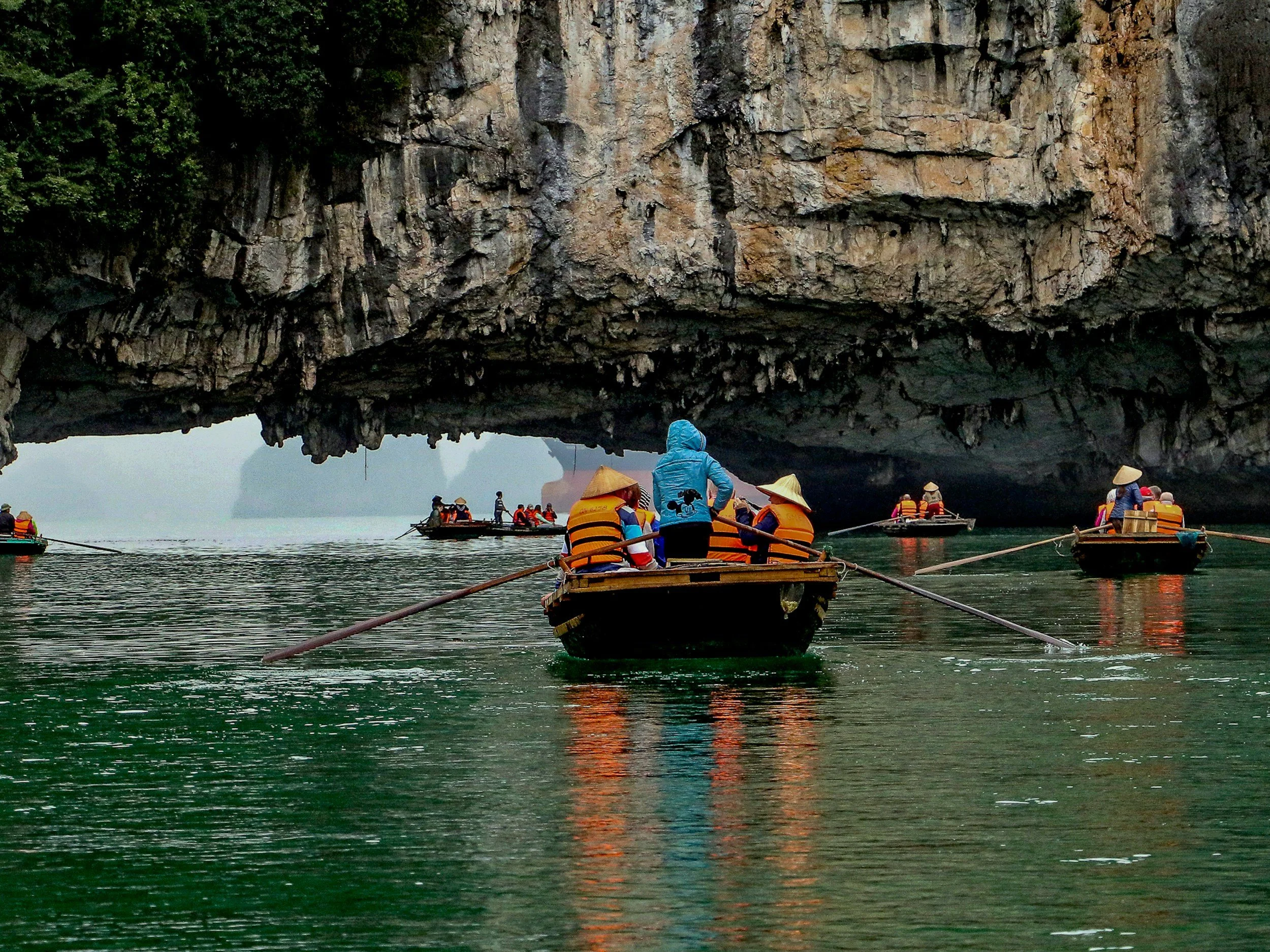
Coastal communities maintain rich cultural traditions connected to the sea, from fishing techniques and boat building to food preparation, often passed down through generations. Tourism can support these traditions when residents lead cultural activities.
Visitors frequently seek authentic experiences, and community-led tours showcasing traditional fishing methods or local cuisine help protect cultural identity. Local festivals celebrate the bond between people and the ocean, using music, dance, and ceremonies to share stories of coastal life and inspire younger generations to preserve traditions. Tourism also creates demand for local crafts, storytelling, and cultural education, reinforcing cultural continuity.
Community museums and cultural centers play a key role by preserving historical artifacts and traditional tools, giving visitors a deeper understanding of coastal history. Traditional architecture, wooden houses, fishing docks, and boatyards, is also preserved through tourism interest, strengthening local pride and turning cultural uniqueness into a valuable asset rather than a fading memory.
In this way, sustainable coastal tourism thrives through respect for heritage and environmental limits. Local traditions guide responsible visitor behavior, ensuring that cultural preservation and tourism development support one another.
Environmental Protection Led by Local Action
Coastal residents actively lead efforts to protect their environment, from beach cleanups and recycling programs that improve water quality to planting mangroves, which stabilize shorelines and provide habitat for marine species. Coral reefs also benefit from local monitoring, as divers track reef health, document fish populations, and report changes to scientists. Traditional fishing practices, including seasonal limits and gear restrictions, allow fish populations to recover naturally.
Education plays a key role in fostering long-term stewardship. Programs for children and visitors raise awareness about ocean conservation, while businesses adopt eco-friendly practices, such as reducing single-use plastics and limiting tour group sizes to minimize ecological impact.
Tourists can also contribute through volunteer programs that support restoration projects, connecting visitors directly with conservation efforts. Together, these coordinated actions form a cohesive network that safeguards both marine and coastal ecosystems while promoting sustainable community engagement.
How Travelers Can Support Community-Led Tourism
Your travel choices have a direct impact on coastal communities. Supporting local businesses strengthens family incomes, reinforces community ownership, and reduces economic leakage.
Accommodation plays a key role: staying in locally owned guesthouses helps maintain small businesses, and hosts often share valuable cultural knowledge with guests. Food choices matter too, as coastal restaurants frequently serve seafood caught by nearby fishermen, supporting traditional fishing practices. Respecting local customs, even through simple gestures like greetings, fosters positive relationships with residents.
Environmental responsibility is equally important. Avoid touching coral reefs, disturbing wildlife, and always follow designated trails and marine guidelines. Shopping decisions also influence local economies—purchasing handmade crafts supports artisans while reducing plastic use.
Engaging in conservation programs offers meaningful travel experiences. Many communities invite visitors to volunteer in reef monitoring or beach cleanups, allowing travelers to learn while protecting ecosystems. Sharing responsible travel habits with others helps promote awareness, encouraging more visitors to support community-led, sustainable tourism.
Strong Communities Secure the Future of Coastal Tourism
Coastal tourism offers opportunities for economic growth and cultural exchange, but unmanaged development can threaten fragile ecosystems and local livelihoods. Residents possess invaluable knowledge of their environment through daily experience, making their involvement essential. Long-term success depends on collaboration between travelers, businesses, and communities. By combining community leadership with responsible travel, coastal tourism can thrive sustainably, protecting both the environment and local cultures for future generations.
Author bio: Lydia Mortenson is an environmental writer passionate about sustainable tourism and community-led initiatives. She explores how local actions protect not only coastal ecosystems and culture, but overall sea welfare. Lydia always tries to share practical tips for responsible travel that benefit not only the environment, but visitors and residents alike.
Sea Going Green is a sustainable tourism consultancy that works together with hotels, resorts and tourism operators to support their sustainable tourism efforts while also spreading the word about how you can embrace a sustainable lifestyle. Want to know more? Get in touch.
Search the Blog….






Visit us on Instagram




For anyone weighing a long-term stay on a small island, the math of island living isn't just rent and reef views. It's water supplies, energy systems, waste infrastructure, and how far your belongings travel to reach you. Understanding these pressures upfront makes it possible to settle in without adding unnecessary strain to the place you've chosen to call home.