
Can Small Islands Survive Mass Tourism?
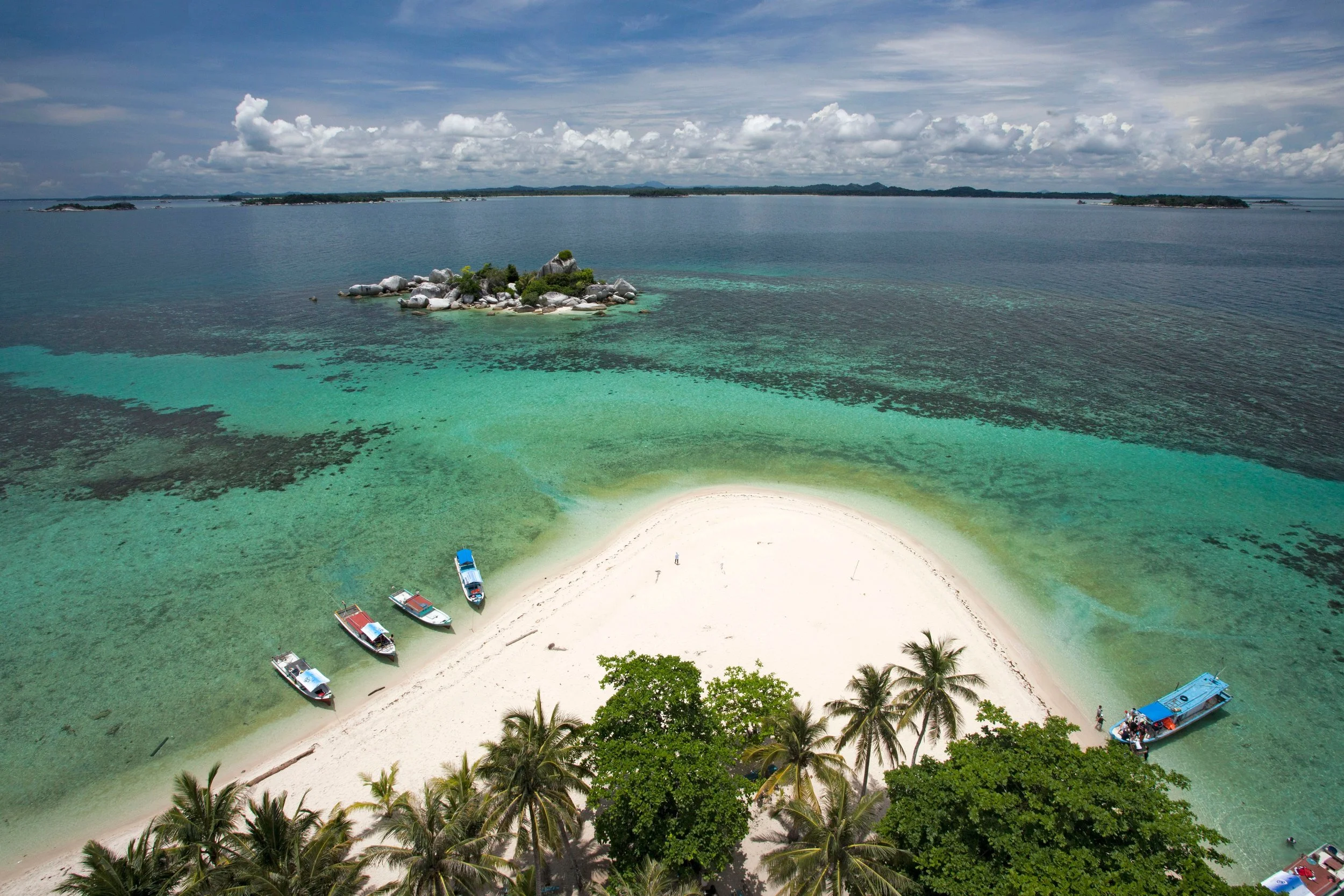
Small islands often represent the dream version of travel, offering a peaceful escape from everyday life. But behind that image, many island destinations are facing a difficult question. How much tourism can they welcome before the same industry that supports them begins to damage the places people came to see?
Mass tourism can bring jobs, business growth, and international attention. At the same time, it can place heavy pressure on local infrastructure, natural resources, and community life. For small islands, the challenge is not whether tourism should exist, but how it can be managed in a way that protects both people and place.
Why Small Islands Are More Vulnerable
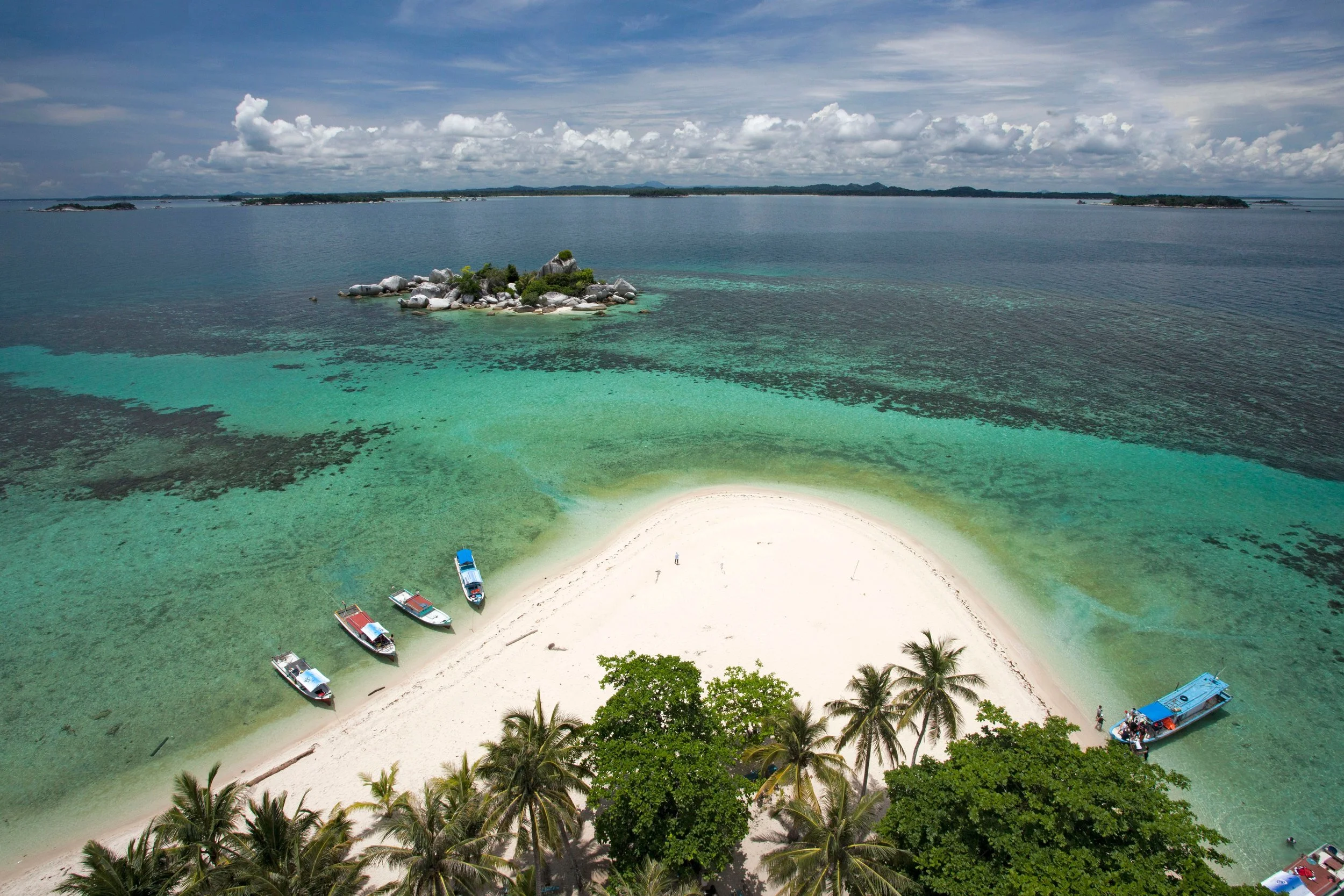
Small islands have limited space, limited natural resources, and delicate ecosystems. A large mainland city may be able to absorb millions of visitors across many districts, but an island has much less room to spread that pressure. Beaches, roads, ports, reefs, and local services can become overwhelmed quickly.
The smaller the destination, the more visible the impact of tourism becomes. When visitor numbers rise too quickly, waste increases, fresh water demand grows, traffic becomes heavier, and natural areas may suffer. What feels like a temporary holiday for visitors can become a daily strain for local residents.
The Economic Dependence on Tourism
For many islands, tourism is one of the most important sources of income. Hotels, restaurants, tour operators, transport providers, local guides, artisans, and food producers may all depend on visitor spending. Reducing tourism without a clear alternative can create serious economic problems.
The goal is not to stop tourism, but to make it more balanced and resilient. Small islands need tourism models that support local businesses without making the entire economy dependent on high visitor numbers. Quality, longer stays, local ownership, and responsible spending can often be more valuable than simply attracting as many tourists as possible.
The Environmental Cost of Too Many Visitors
Mass tourism can put direct pressure on the environment. Popular beaches may suffer from erosion, coral reefs can be damaged by careless snorkelling or boating, and natural habitats may be disrupted by construction. Waste management is another major issue, especially when islands do not have the infrastructure to handle large seasonal increases.
Tourism must operate within the limits of the island’s environment. This means protecting marine ecosystems, reducing single-use plastics, managing water use, improving waste systems, and limiting visitor access to fragile areas when necessary. Without these protections, the natural beauty that attracts tourists can slowly disappear.
The Role of Regenerative Travel
Sustainable tourism aims to reduce harm, while regenerative travel goes a step further. It asks how tourism can actively improve the places people visit. On small islands, this could include reef restoration, beach clean-ups, local conservation projects, cultural preservation, or education programs that connect visitors with the realities of island life.Travellers who want to contribute more meaningfully can apply to volunteer abroad through responsible programs that support local communities and environmental goals. The most valuable travel experiences are those that give something back instead of only taking from a destination.
Local Communities Should Not Be Pushed Aside
Tourism can change the social fabric of island communities. When short-term rentals expand, housing may become less affordable for local residents. Traditional neighbourhoods can become tourist zones, and local culture may be reshaped to meet visitor expectations. Over time, residents may feel that their home is being designed more for tourists than for them.
Can Better Planning Make Tourism Sustainable?
Good tourism management starts before a destination reaches crisis point. Once an island becomes overcrowded, it is much harder to repair environmental damage or rebuild community trust. Early planning allows islands to guide tourism growth instead of simply responding to its consequences.
What Travellers Can Do Differently
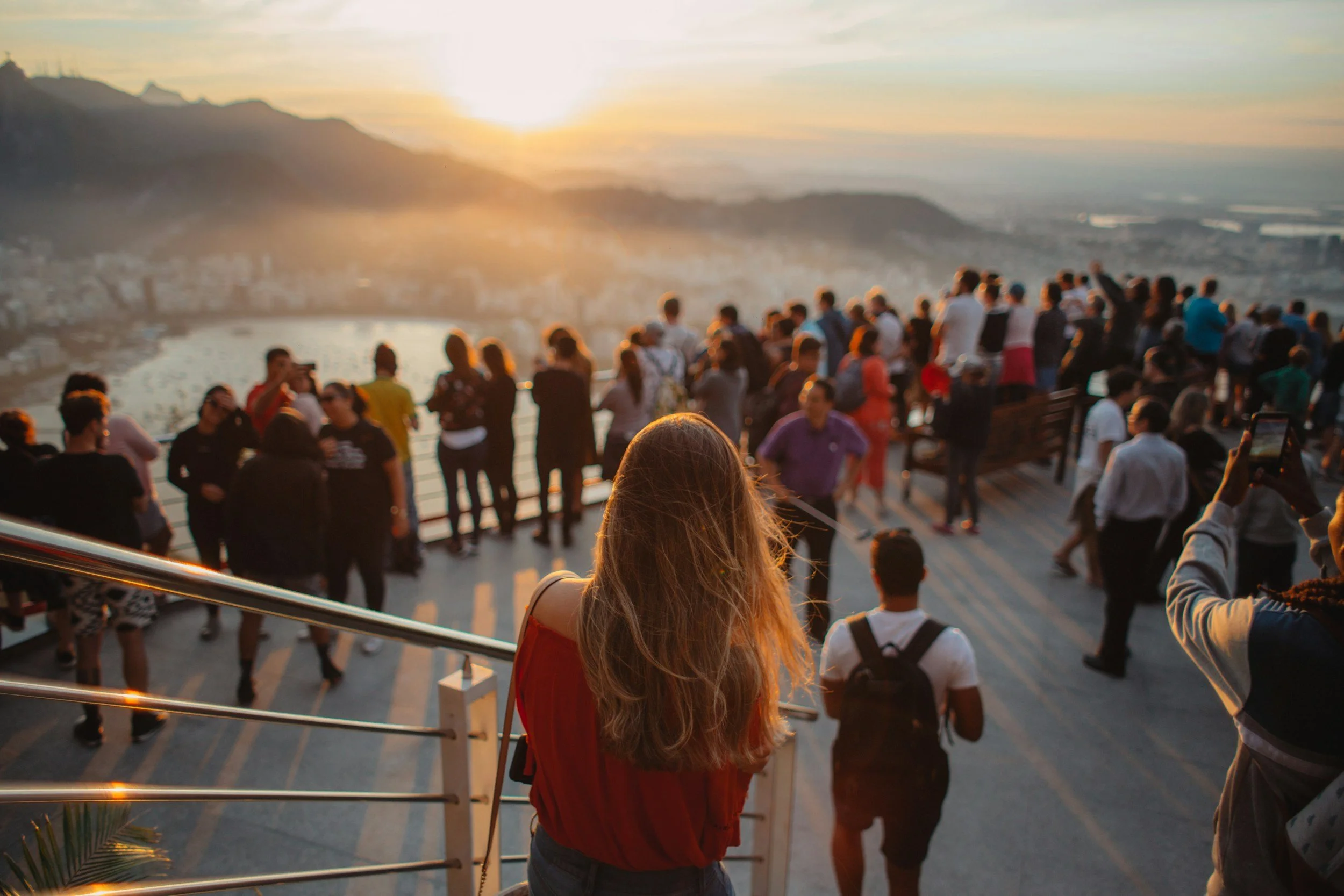
Visitors play a major role in the future of small islands. Choosing locally owned accommodation, eating at local restaurants, respecting marine life, avoiding single-use plastics, and travelling outside peak season can all reduce pressure. Even small decisions matter when thousands of visitors make them.Responsible travel begins with understanding that paradise is also someone’s home. Tourists should learn local customs, follow environmental guidelines, respect quiet residential areas, and avoid treating natural spaces as unlimited resources. A more thoughtful visitor can help make tourism less extractive and more supportive.
Why Tourism Businesses Must Take Responsibility
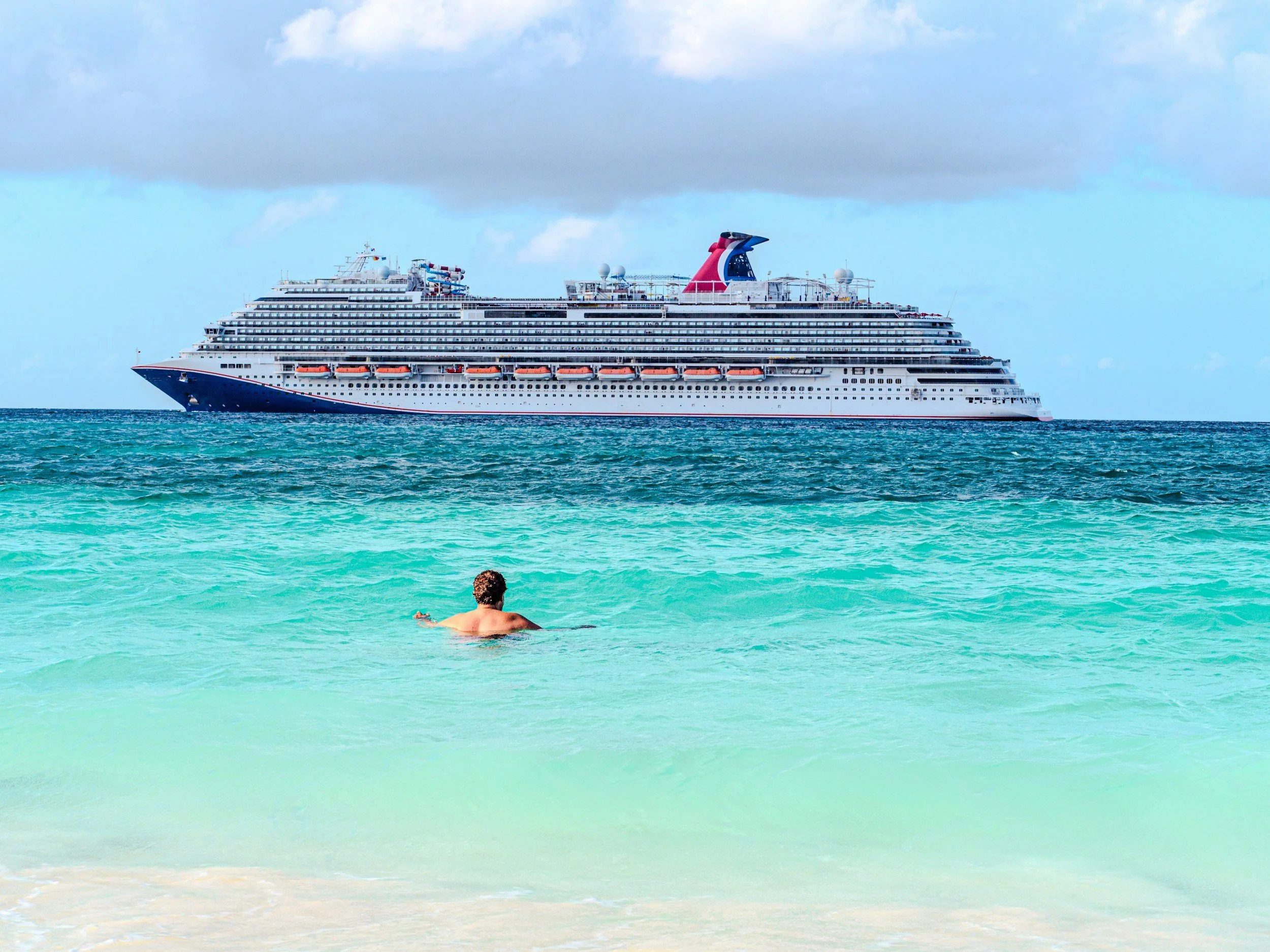
Hotels, resorts, cruise operators, and tour companies have a large influence on island sustainability. Their choices affect water use, energy consumption, waste production, employment conditions, and the types of experiences promoted to visitors. If businesses focus only on volume and profit, islands are more likely to suffer.Tourism operators must become part of the solution, not just beneficiaries of the destination. This means measuring environmental impact, reducing emissions, training staff, supporting conservation, buying locally, and being transparent with guests. Businesses that protect the destination also protect their own long-term future.
Conclusion: Survival Depends on Smarter Tourism
The question is not whether people should visit small islands. The question is how they visit, who benefits, and what remains after they leave. If governments, businesses, communities, and travellers work together, tourism can become more than a source of pressure. It can become a tool for protection, resilience, and positive change.
Sea Going Green is a sustainable tourism consultancy that works together with hotels, resorts and tourism operators to support their sustainable tourism efforts while also spreading the word about how you can embrace a sustainable lifestyle. Want to know more? Get in touch.
Search the Blog….


Visit us on Instagram

The breakfast buffet is one of the places where hotels lose the most food. Learn more about how you can reduce food waste in this week’s blog!