
Eco-Friendly Wellness Retreats: What to Look For Before Booking
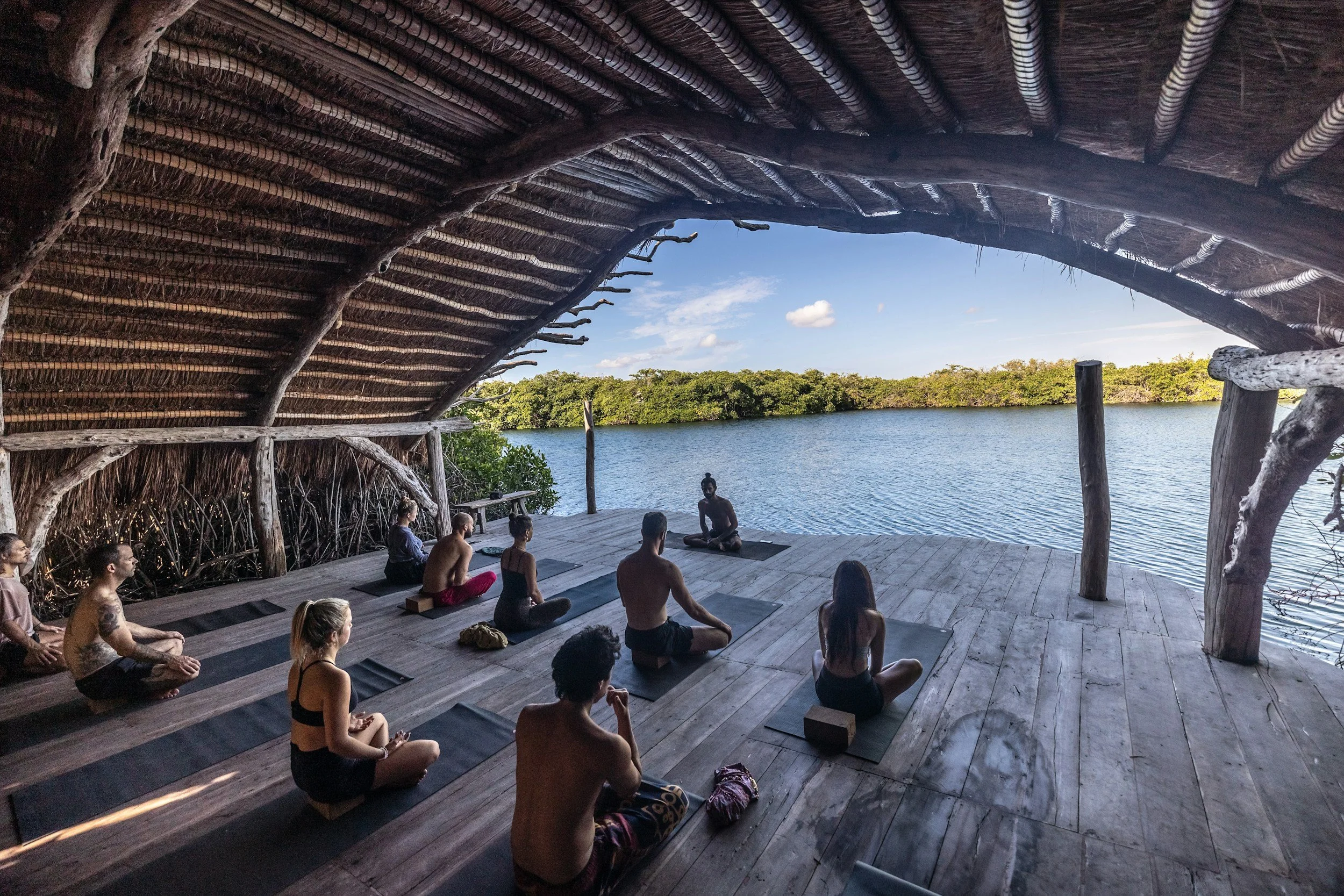
Sustainable wellness retreats are on the rise. They promise rest, clarity and a chance to reset, as well as practices that are kind to the planet. With numerous options available, selecting the right eco-friendly wellness retreat can be a challenging task.
Not every retreat approaches sustainability in the same way, so it’s not always easy to determine which ones genuinely put thought and effort into their practices. If you’re trying to make more responsible choices with your time and money, here’s what to look for before booking an eco-friendly wellness retreat.
1. Verify Transparency, Certification and Accountability
Travel and tourism account for 6.5% of global greenhouse gas emissions, and awareness around this is growing. In 2024, more than 80% of travelers worldwide said sustainable travel was essential to them. However, as interest rises, so does the use of sustainability as a marketing tool — or, more accurately, greenwashing.
You can look for third-party certification to verify if a retreat is sustainable, such as Green Key Global, Green Globe, Regenerative Travel and B Corp. These organizations assess businesses against specific environmental and social criteria. It’s true that no certification is perfect, but retreats that are willing to be evaluated and held accountable take sustainability more seriously.
2. Examine How Sustainability Is Practiced on the Ground
In addition to certification, check the retreat’s day-to-day operations to see its approach to sustainability. Try to find information on how it manages energy, water and waste. Does the property rely on renewable energy when possible? Are there systems in place to reduce water consumption or manage wastewater responsibly?
It’s also important to learn about the wellness products it uses. Many eco-conscious retreats opt for organic or natural products in their treatments. They avoid chemicals like parabens that can harm both ecosystems and humans.
As a general rule, the more specific a retreat is about what it does and why, the more likely those practices are genuine. Vague language and broad claims can be a sign that sustainability is more of a marketing tactic than a real commitment.
3. Assess the Retreat’s Impact on Its Local Community
A genuinely eco-friendly retreat should implement the three pillars of sustainability, which include environmental, social and economic aspects. In addition to reducing harm to nature, it should also support local communities and operate in a way that can be sustained over time.
That means the retreat must respect the local culture, traditions and everyday life of the place it calls home. On a practical level, this can be as simple as hiring local staff, sourcing food from nearby farms or working with local practitioners.


4. Prioritize Wellness Experiences That Work With Nature
As work and home life increasingly blur, many people feel constantly “on,” even when time off is available. In the U.S., more than half of workers don’t use all of their paid vacation days, often putting rest and relaxation on hold altogether. Therefore, when you finally decide to take a break at a wellness retreat, ensure you choose one that prioritizes genuine rest.
Many sustainable wellness retreats offer tightly scheduled programs or resource-intensive facilities that leave little room for relaxation. Some also use nature more as a backdrop than an active part of the experience. If you want to gain the benefits of wellness and eco-friendliness, find a retreat that favors slower, nature-led practices like outdoor meditation, gentle movement, forest walks and digital detox.
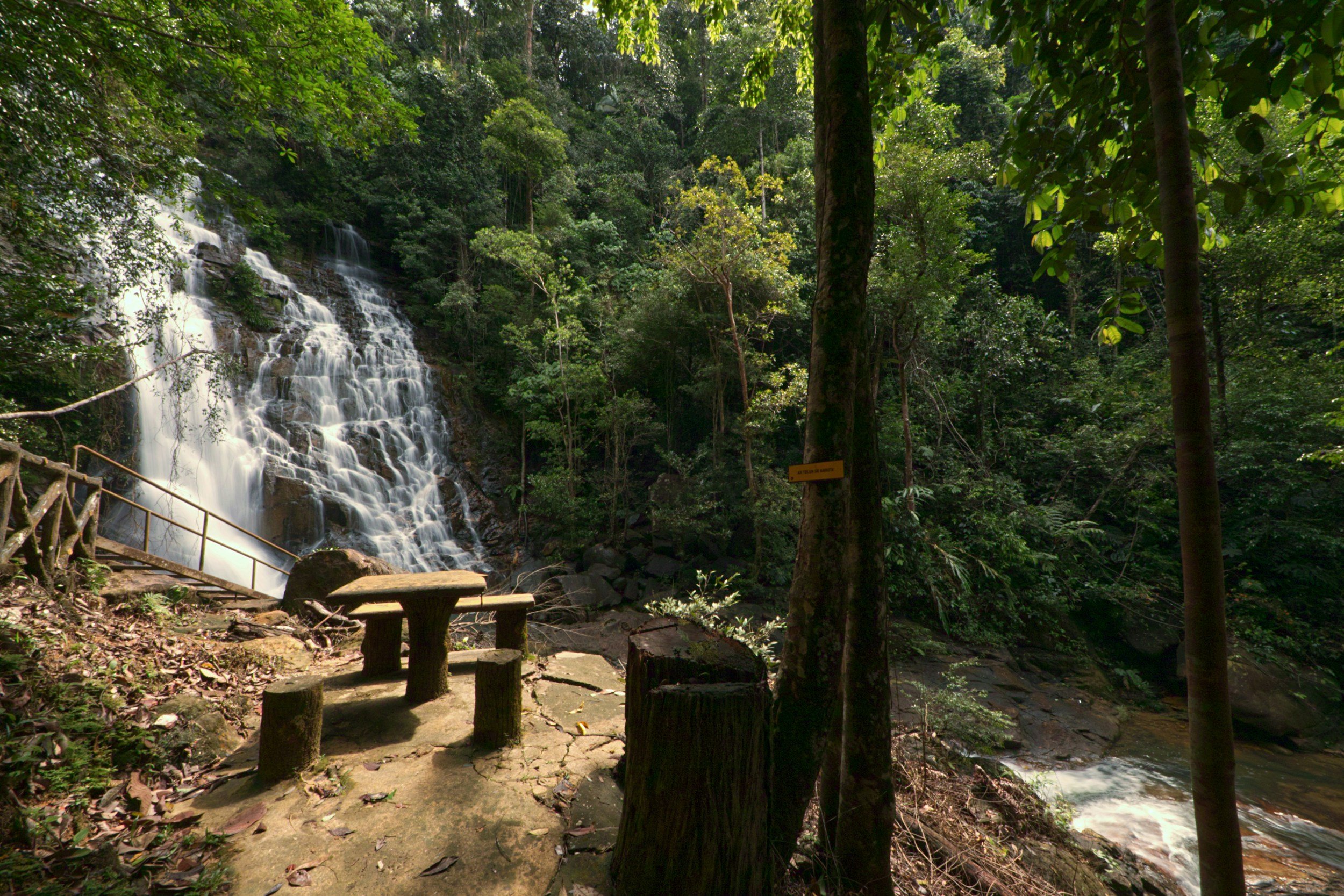
Incorporating nature into the experience can offer plenty of benefits for people with busy, always-on lives. Time spent in nature has been shown to reduce stress, improve sleep quality, boost the immune system and support mental health.
5. Consider How Design and Architecture Support Sustainability
The building and construction sector is responsible for 37% of global greenhouse gas emissions, which makes the way a wellness retreat is built important. Responsible retreats usually use local or reclaimed materials to reduce the environmental impact of construction.
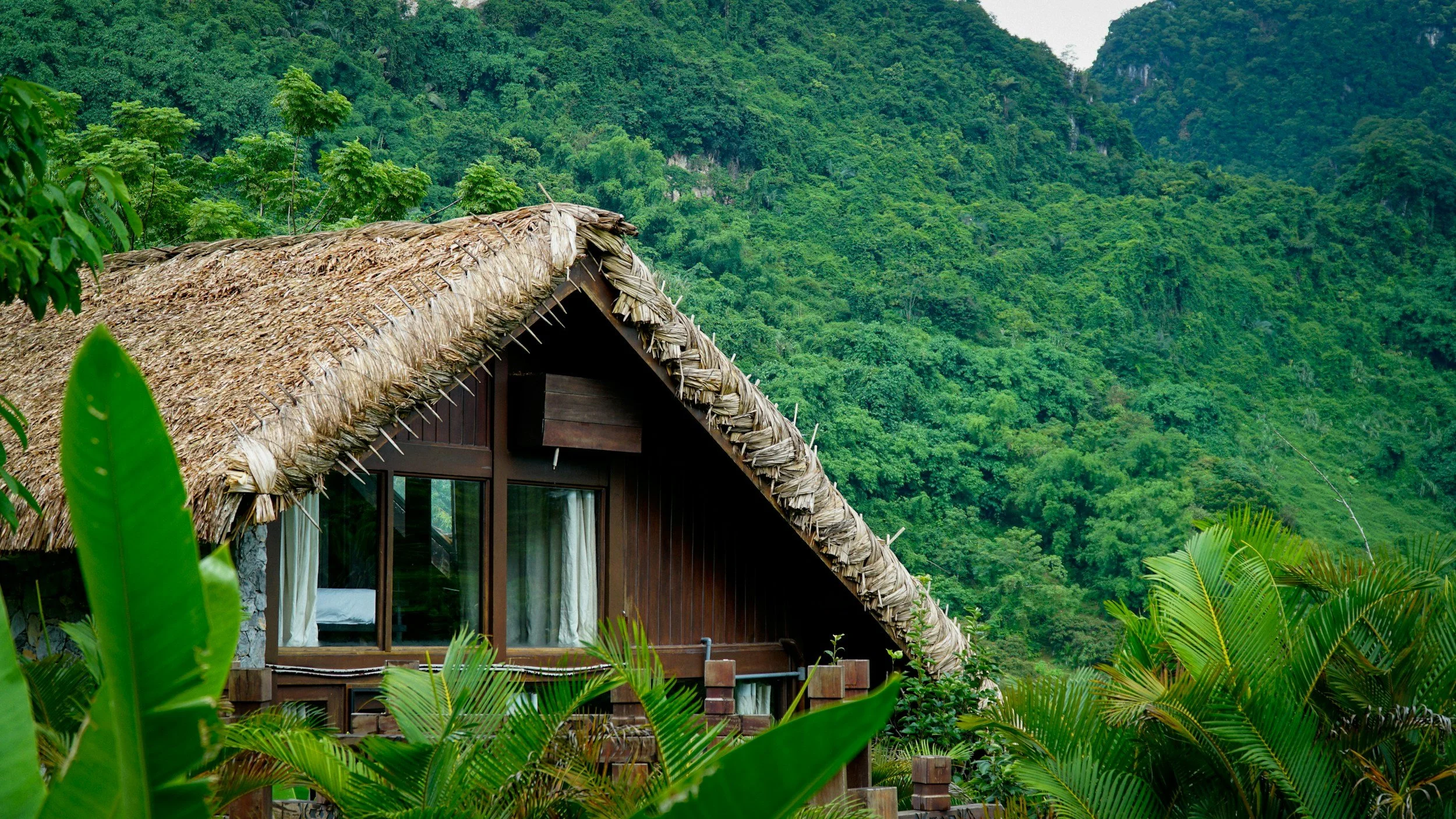
Moreover, these retreats typically work with the local climate rather than trying to control it. Their buildings should have natural ventilation, shaded spaces and heat-reducing materials to lower the need for energy-intensive cooling. If the retreat you want to book has a poorly designed building, it probably relies heavily on air conditioning. Therefore, it contributes to higher carbon emissions and increases electricity demand.
Choosing Retreats That Heal You and the Planet
Eco-friendly wellness retreats promise to support both your personal well-being and the health of the Earth. Booking with care and curiosity means you are choosing experiences that heal more than just yourself.
Sea Going Green is a sustainable tourism consultancy that works together with hotels, resorts and tourism operators to support their sustainable tourism efforts. Want to know more? Get in touch.
Search the Blog….






Visit us on Instagram






For anyone weighing a long-term stay on a small island, the math of island living isn't just rent and reef views. It's water supplies, energy systems, waste infrastructure, and how far your belongings travel to reach you. Understanding these pressures upfront makes it possible to settle in without adding unnecessary strain to the place you've chosen to call home.