
Why “Restorative Travel” Could Be the Next Big Trend in Sustainable Tourism
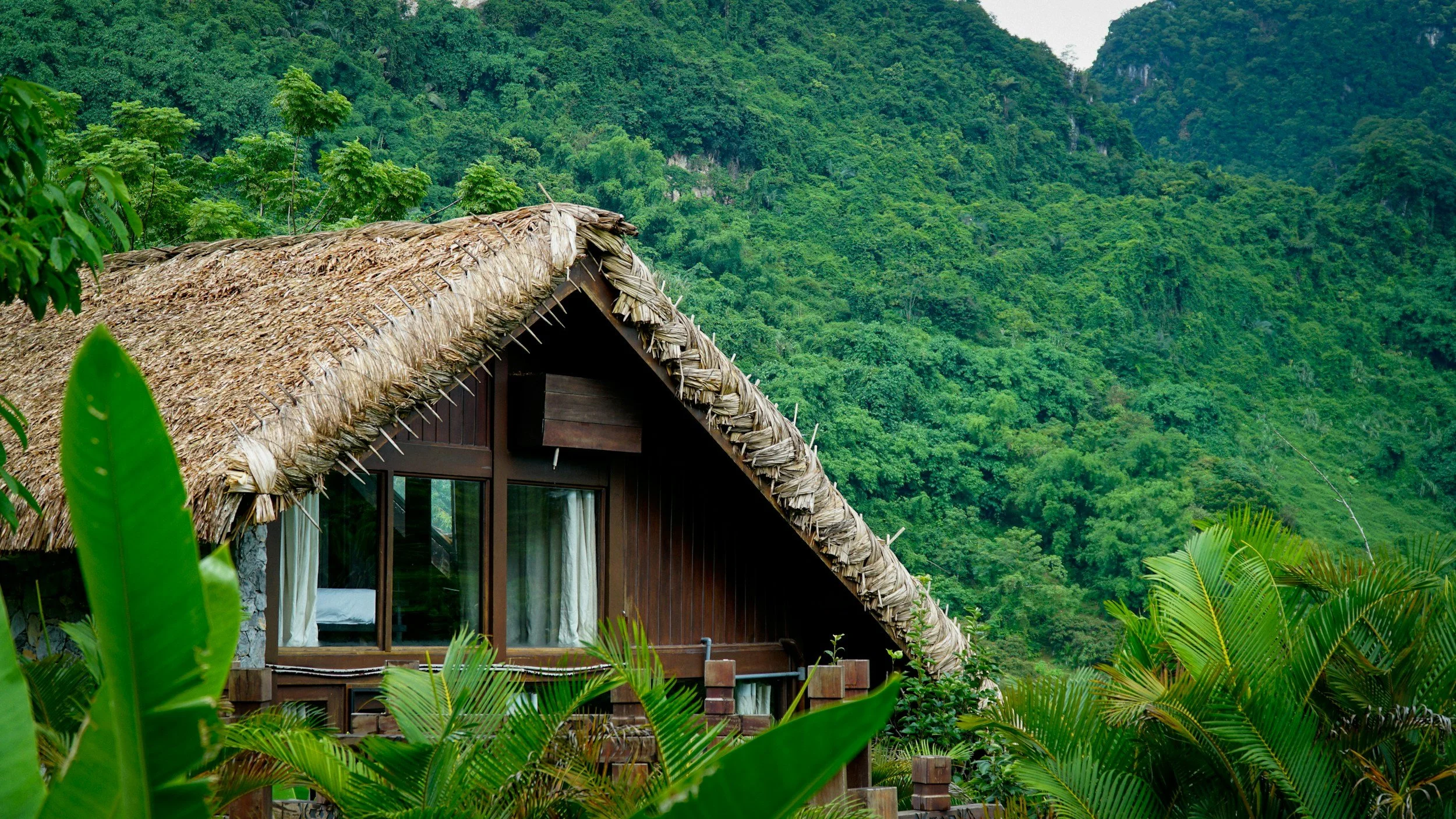
Traditionally, vacations have been about seeing more, doing more and getting as much as possible out of the experience. However, many people today are beginning to wonder, what if instead we leave a place better than we found it, while simultaneously getting something out of the experience – ourselves included. This concept is the basis for restorative travel, a new type of holiday that focuses on the positive impact not only on the environment but also on the individual. Restorative travel is about making a break from everyday life in a way that does not only reduce the negative impact of leisure time but instead creates positive change and impact.
What Is Restorative Travel?
Sustainable tourism practices to date have focused on minimizing negative impacts, such as waste, energy consumption, biodiversity loss, and support for local business owners. Restorative tourism takes tourism management one step further and emphasizes the need to rehabilitate the destination being impacted by tourism activity.
A restorative tourist is a person who wants to be involved in the restoration process of the environment and community where they are guests. For example, such tourists will choose a place to stay that will support the local economy, heal the local ecosystem, shop in local stores, or volunteer their services.
Wellness Is Becoming More Holistic
The traditional concept of wellness tourism is typically focused on such activities as spa treatments, fitness activities, and general relaxation within the context of vacations. Restorative travel may be classified as extended wellness tourism since it includes the recognition of the environment, community, and experience.
A thoughtfully selected, laid-back natural environment can help tourists relax and step away from the constant need to stay connected and communicate. Activities such as hiking, swimming, or gardening can further encourage travellers to disconnect while incorporating light physical activity into their stay. Travellers with specific physical concerns may also seek professional advice or services while at their destination, such as consulting a neck specialist, to support relaxation and recovery, while maximizing the physical and wellness benefits of their stay.
Nature Could Become a Central Part of the Experience
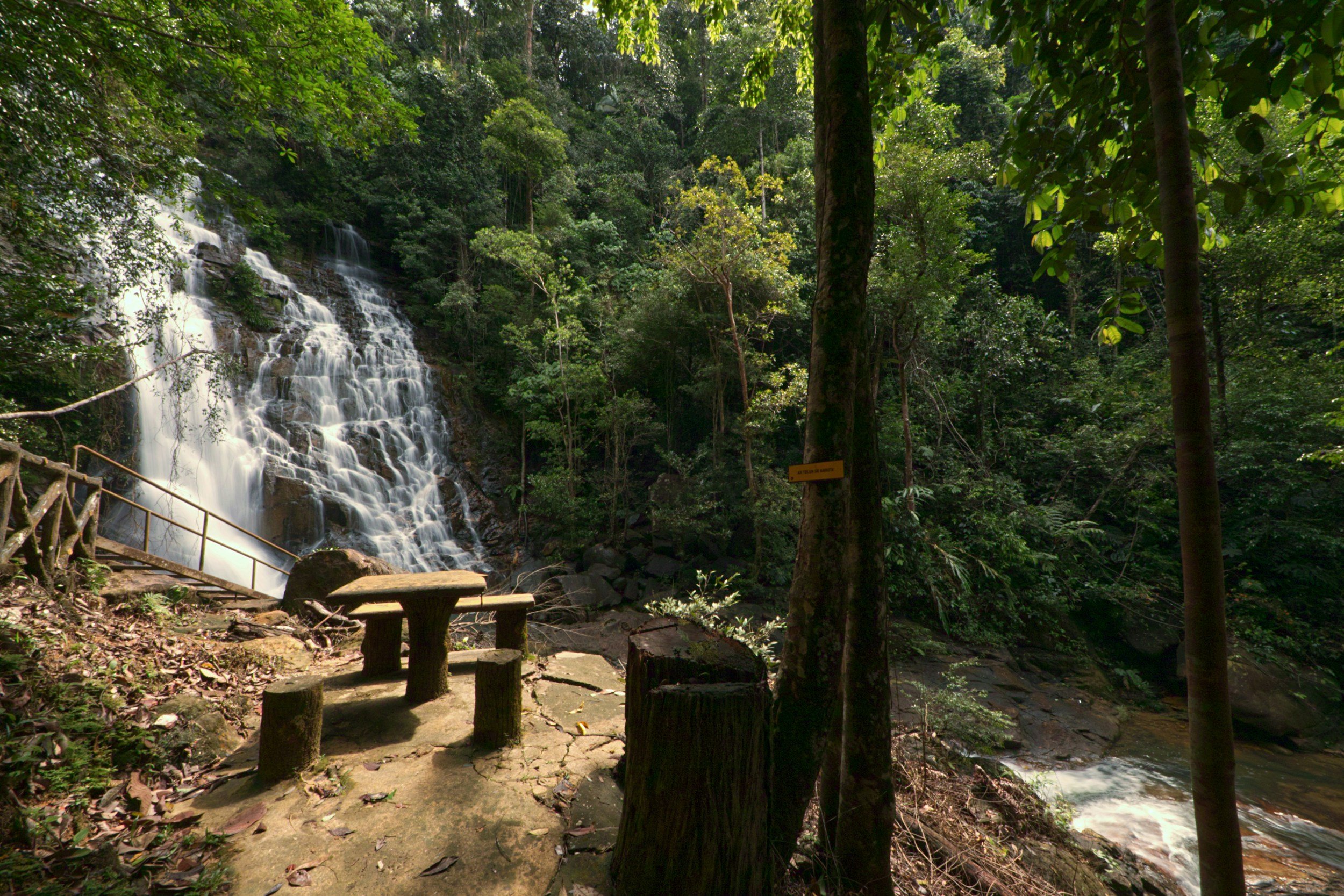
Nature can be one of the main pillars of restorative tourism. Forests, wetlands, coastlines, mountains, and wildlife habitats are examples of such assets that can offer unique experiences while being able to benefit from the presence of tourists.
Picture a hotel sustainably built and managed near a wetland protected area, where part of the money paid for the stay goes into the maintenance and management of the ecosystem. The tourists can have the unique experience of being able to observe the local biodiversity while having a chance to meaningfully participate in the conservation efforts or have an insight into the work of local rangers that take care of the area. Their money would directly support the conservation cause rather than threatening the natural assets.
Such a system is beneficial in areas where the tourism industry is the major threat towards biodiversity. Instead of being a factor of nature degradation, businesses would be able to become a part of the solution by supporting the development of conservation programs, offering funding, and creating awareness.

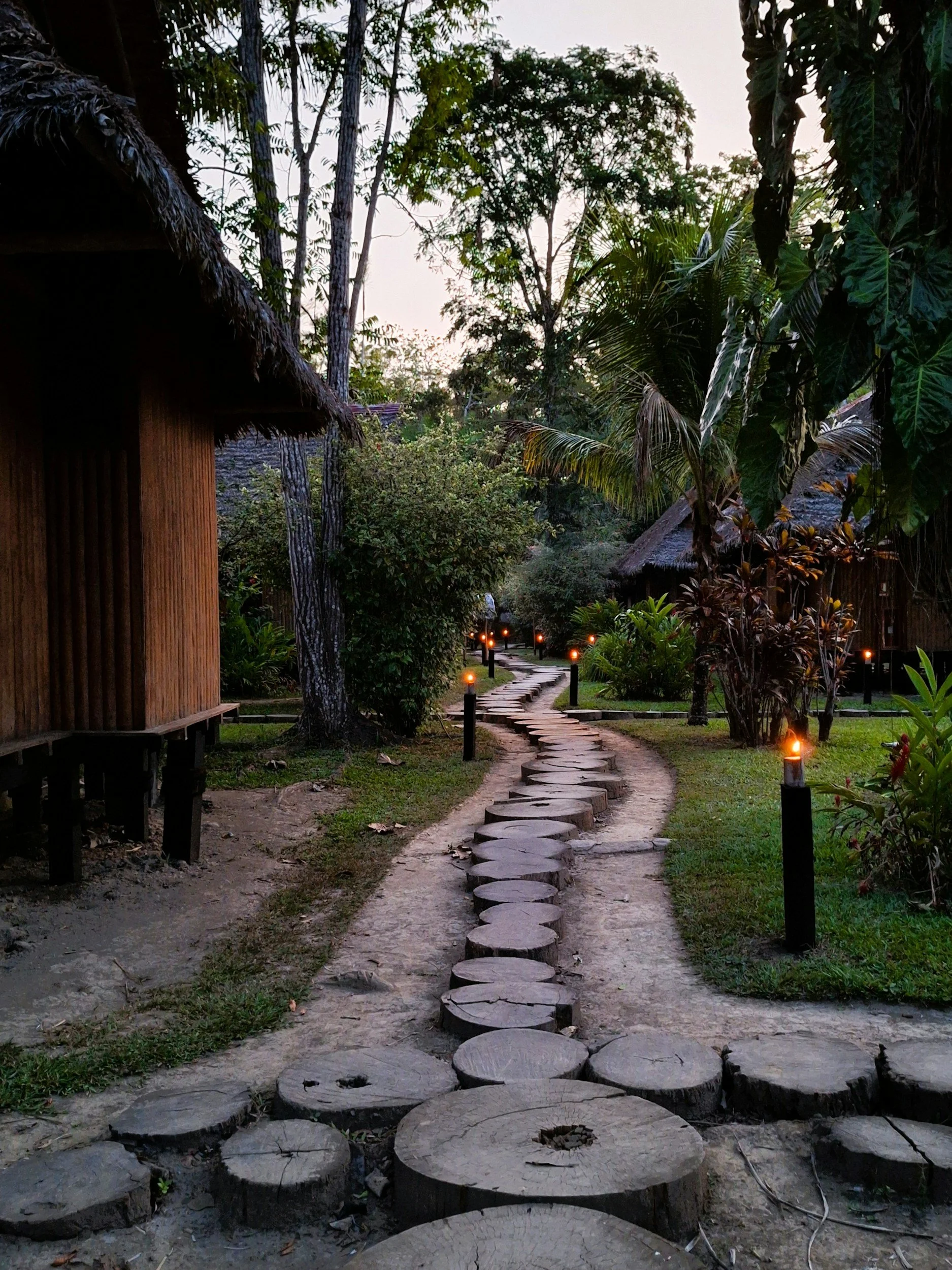
Local Communities Stand to Benefit
Restorative travel is about more than just saving the environment – it is also important to think about the impact on communities. Tourism can bring huge benefits for host destinations such as jobs and investments. Yet, an increase in tourists often means higher prices for residents, depletion of natural resources, and even loss of local identity.
By opting for this type of tourism, you can ensure that a part of your money goes directly to supporting local businesses. By shopping at local markets, eating at local family restaurants and buying souvenirs from local shops you can ensure that your tourist spending helps the local community.
Slow Travel Fits the Restorative Model
The growth of the restorative travel trend is also likely to boost the popularity of slow travel among tourists. This concept implies that people will not aim to visit the most popular places and experience different cities in a very short time but rather choose one destination and spend more time there trying to understand it better.
Such trips will take more time and might require taking trains or other forms of transport instead of short flights or buses, which will allow sightseers to get to know their destination better. Biking around the city and visiting places with a local guide are some examples of activities that slow travelers might want to engage in.
Technology Can Help Travellers Make Better Choices
Technology will likely play an important role in the development of restorative tourism. Booking platforms and travel applications can increasingly provide information about environmental practices, community investment and conservation programmes.
Travellers may eventually be able to compare accommodation based not only on price and reviews, but also on measurable sustainability and restoration outcomes. Digital tools could highlight businesses that source locally, reduce resource consumption or contribute to environmental projects.
However, transparency will be essential. Tourism operators will need to demonstrate that their claims are supported by meaningful actions. Otherwise, restorative travel risks becoming another marketing label rather than a genuine transformation of the industry.
The Future of Sustainable Tourism
Restorative travel will not entirely replace traditional forms of holidays; people will continue to visit urban destinations, spend time at beaches, and shop. But the movement’s philosophy will shape mainstream tourism in the future.
Hotels can be expected to invest more into ecological restoration, tour operators could specialize in wildlife preservation, and the popularity of long holidays will grow. At the same time, tourists will seek to understand what their money is used for and what they are contributing to.
Sea Going Green is a sustainable tourism consultancy that works together with destinations, hotels, resorts and tourism operators to support their sustainable tourism efforts while also spreading the word about how you can embrace a sustainable lifestyle. Want to know more? Get in touch.
Search the Blog….




Visit us on Instagram




For anyone weighing a long-term stay on a small island, the math of island living isn't just rent and reef views. It's water supplies, energy systems, waste infrastructure, and how far your belongings travel to reach you. Understanding these pressures upfront makes it possible to settle in without adding unnecessary strain to the place you've chosen to call home.