
The Environmental Math of Long-Term Island Living
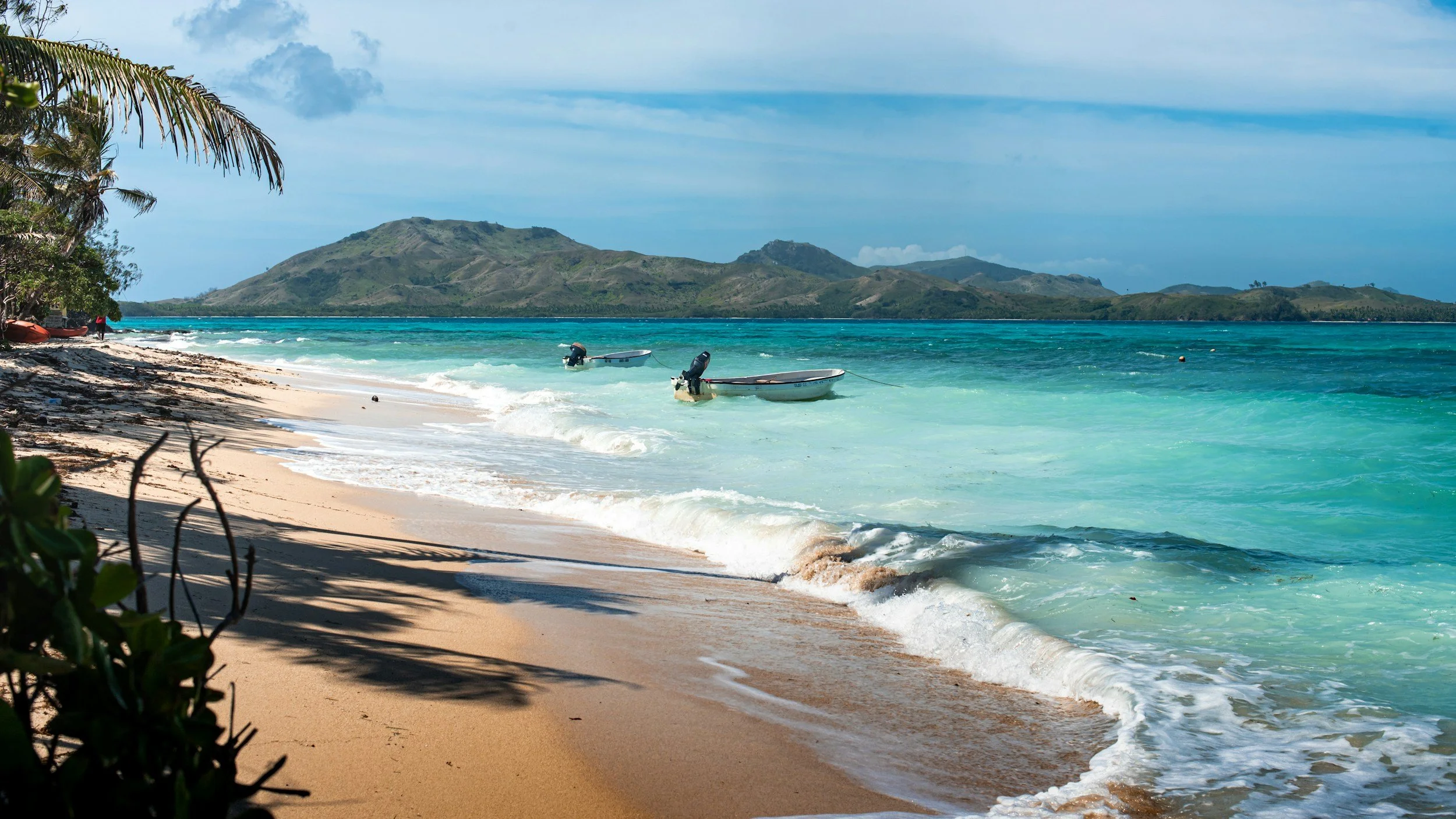
A one-way flight to a remote island can generate more carbon than a month of daily driving back home. That's before a single suitcase gets unpacked. For anyone weighing a long-term stay on a small island, the math of island living isn't just rent and reef views. It's water supplies, energy systems, waste infrastructure, and how far your belongings travel to reach you. Understanding these pressures upfront makes it possible to settle in without adding unnecessary strain to the place you've chosen to call home.
What Is the Math of Long-Term Island Living?
At its core, this math is a simple comparison. It weighs what an island's water, energy, waste, and other infrastructure systems can sustainably support against the cumulative demand of people living there over time. A tourist passing through for a week creates a short-term, concentrated demand. Someone who stays for six months or more, works remotely, and lives like a resident creates a more continuous demand on those same systems.
Small islands often have limited infrastructure capacity, and some systems were built decades ago for much smaller permanent populations. Every new long-term arrival adds to that demand. The impact depends not only on how many people arrive, but also on how they live and whether local infrastructure has the capacity to accommodate them.
What Long-Stay Arrivals Change When They Settle on an Island
Long-stay visitors can place a different kind of pressure on local resources than short-term tourists. Rather than creating concentrated demand over a few days, they use water, energy, housing, transport, and other services continuously over months or years. A two-week vacationer may stay in a hotel, eat out, and move on. A long-stay visitor who stays six months may rent an apartment, buy groceries weekly, and run air conditioning daily.
Some islands have already seen concerns around rising water and energy demand as the environmental impact of digital nomads becomes harder to ignore in destinations like Bali and the Canary Islands.
This isn't an argument against relocating abroad. It's a case of doing it with open eyes. Someone who understands their footprint before arriving can plan ahead, choosing an eco-certified host, using public or shared transport where available, or joining a local composting program instead of discovering these options months after arrival.
What Should You Pack for a Long-Term Island Move?
The honest answer is: less than you think. Every box shipped by air or sea carries an additional environmental cost on top of your own travel, depending on the distance, transport mode, and weight of the shipment. Most long-term visitors pack for the life they're leaving, not the one they're stepping into. Reading up on packing for an overseas relocation before booking a shipment helps separate what earns its spot in a container from what simply feels safer to bring.
Islands may also have limited waste and recycling infrastructure, so packaging matters as much as volume. A few habits worth building before departure:
Ship seasonal items only, and rent or buy climate-appropriate gear locally
Choose reusable crates over cardboard and bubble wrap where a mover allows it
Digitize documents and photos instead of shipping filing boxes
Sell or donate furniture that won't suit a smaller, tropical home

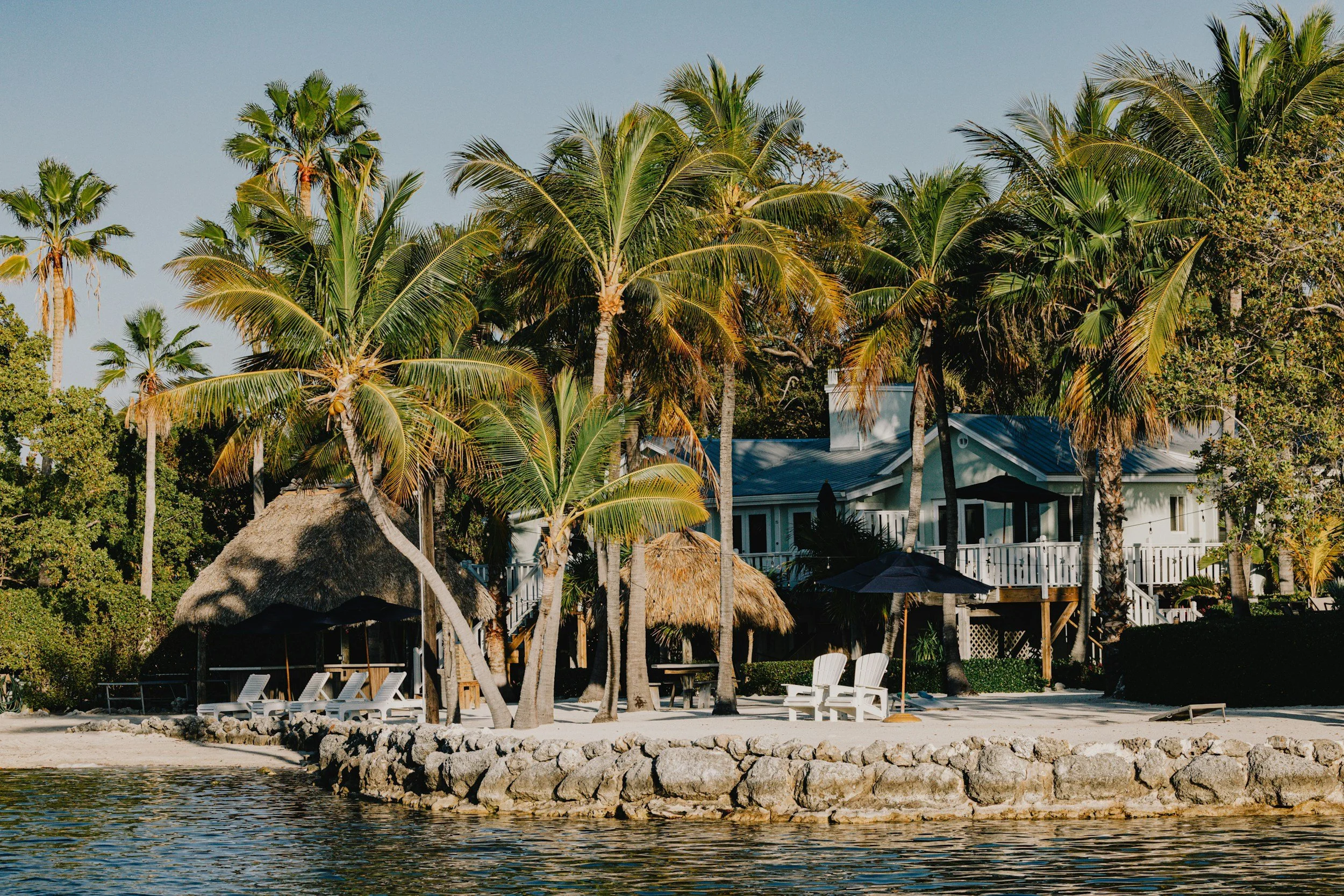
Why Owning Less Makes the Move Lighter
Fewer belongings generally mean lower shipping weight, which can reduce the fuel and emissions associated with transporting goods across an ocean. A lighter household is also easier to run sustainably once you've settled in, with less to power, store, or eventually throw away. This is one reason owning less helps the planet well beyond travel day.
Downsizing before a move forces a useful question. Does this object earn its place in a home with limited storage and no easy replacement nearby? On many islands, a broken appliance may mean importing a replacement. Owning fewer, better-made items can therefore pay off for years.
What Happens to Water and Energy When You Stay for Years?
Long-term residents place steady, year-round demand on systems that may have been built around seasonal tourist peaks or much smaller permanent populations. Freshwater is the clearest example. Seven in ten Small Island Developing States already face water shortage risk, according to the United Nations. Conditions vary significantly between islands, but groundwater on many islands is vulnerable to saltwater intrusion, particularly where freshwater demand is high. That makes daily water use more consequential in places where freshwater supplies are already limited.
Energy tells a similar story. Many islands import diesel or rely on aging grids. A long-term resident's daily air conditioning and appliance use adds up over time in ways a week-long stay does not. Solar water heaters, low-flow fixtures, energy-efficient appliances, and simply matching your usage to the capacity of the local grid are small changes. Over a multi-year stay, those choices can significantly reduce the demand an individual household places on local systems.
How Long-Term Arrivals Reshape Island Communities
Housing is often one of the first systems to feel the effects of extended island living. When remote workers rent long-term at rates that local residents can't always match, housing can become less affordable and long-term rental stock can become harder for local residents to access. That pattern is examined in the evolution of tourism hotspots, as some coastal towns shift from primarily tourist economies into semi-permanent visitor hubs.
Aviation adds a separate layer to the math. International aviation accounts for roughly two percent of global human-made CO2 emissions, according to the International Civil Aviation Organization. Every visit home during a long stay adds to an individual's travel footprint. Staying longer between visits and choosing direct routes where practical can reduce the emissions associated with travel. Some travelers may also consider credible carbon-removal or offsetting programmes for unavoidable flights.
Making the Numbers Work in Your Favor
None of this means island living is inherently unsustainable. It means the environmental cost is real, and it is shaped by both the decision to move and the choices made once you arrive. A resident who sources food locally where possible, limits imported goods, reduces unnecessary energy and water use, and plugs into existing community systems can reduce the demand they place on already-constrained resources and infrastructure.
The math of long-term island living comes down to intention. Arrive with less. Use resources thoughtfully. Treat the island's limits as real constraints, not someone else's problem. Before you book that one-way ticket, take stock of what you're bringing. Think through how you'll actually live once you land, your future home, and its ecosystem, will be better for it.
Author bio: Marta Wilder is an environmental writer with a background in sustainability reporting across coastal and island communities. She spends her free time hiking, growing vegetables, and researching low-impact travel habits.
Sea Going Green is a sustainable tourism consultancy that works together with destinations, hotels, resorts and tourism operators to support their sustainable tourism efforts while also spreading the word about how you can embrace a sustainable lifestyle. Want to know more? Get in touch.
Search the Blog….






Visit us on Instagram


For anyone weighing a long-term stay on a small island, the math of island living isn't just rent and reef views. It's water supplies, energy systems, waste infrastructure, and how far your belongings travel to reach you. Understanding these pressures upfront makes it possible to settle in without adding unnecessary strain to the place you've chosen to call home.