
Rethinking the Breakfast Buffet: How Hotels Can Reduce Their Food Waste
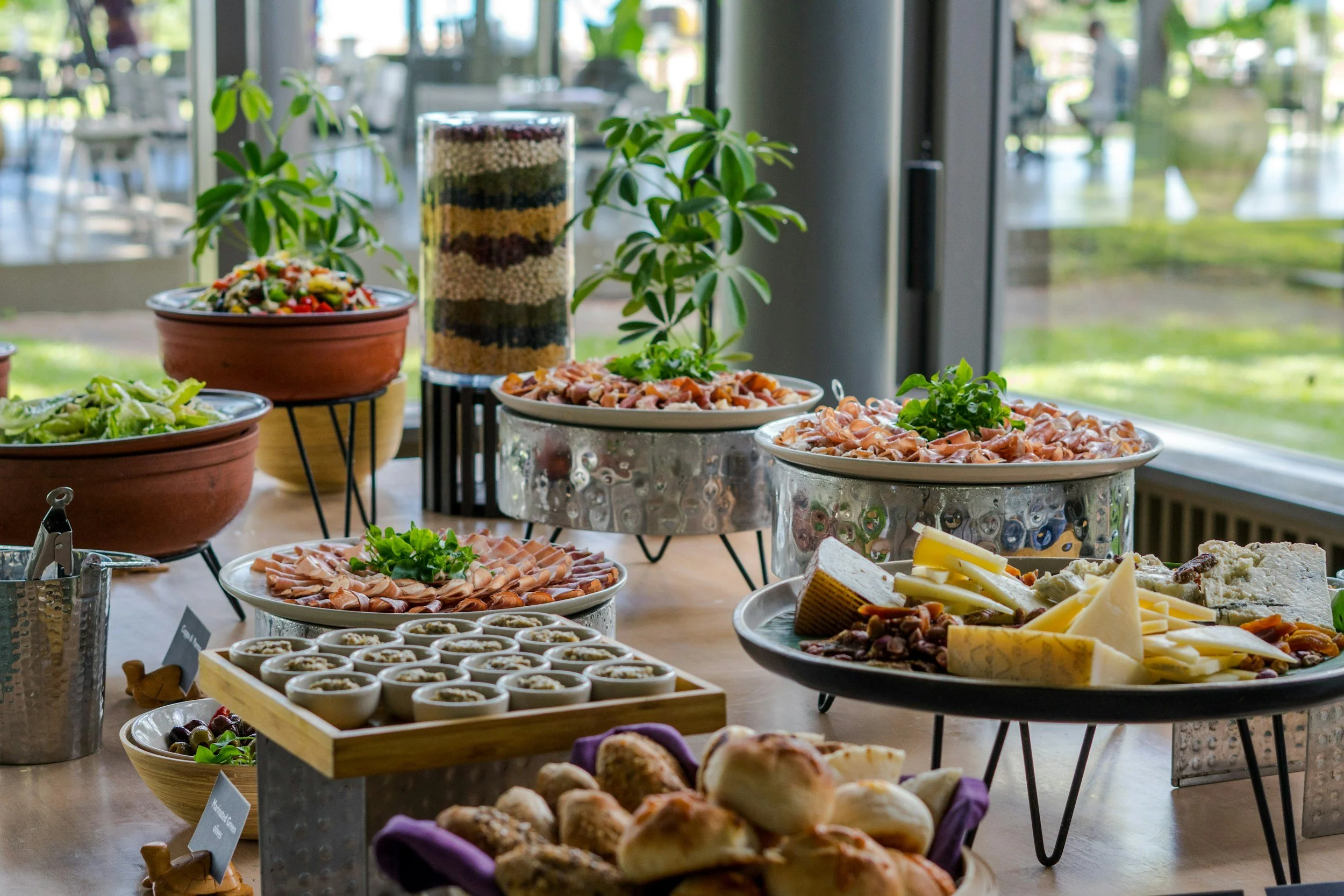
The breakfast buffet is one of the places where hotels lose the most food. Plate waste, half-finished fruit bowls, and trays of scrambled eggs all play a part, but bread is one of the foods most often thrown away. It costs little per unit, can look tired within hours of being set out, and rarely gets measured with any real accuracy, so it slips past most waste audits entirely unnoticed, while more visible categories get all the attention.
For destinations already working with limited infrastructure, the cost runs even higher. Small island properties face constraints most mainland hotels never have to think about. Every extra load thrown out has to be shipped in again, and every bin bag has fewer places to go once it leaves the kitchen. Many island destinations are already stretched thin by visitor numbers, and food waste is one more pressure that many can’t easily absorb. A hotel that gets its bread service under control isn’t solving a niche problem. It’s addressing one of the buffet’s biggest and least examined sources of loss.
Why Items like Bread Disappear Fastest
Two things drive most of the waste, and neither is really about the bread itself. The first is overproduction, largely a confidence problem rather than a planning one. For instance, an empty bread basket draws complaints within minutes, while a half-eaten one goes unnoticed until it’s cleared away, so kitchens learn to order on the safe side and stay there. The second is the gap between how bread actually behaves and how guests expect it to look. A loaf that’s a few hours old is still perfectly good to eat, but it no longer looks freshly baked, and most diners will pass it over without a second thought. Both problems come down to ordering against habit rather than against what a property actually serves.
The numbers make the case for fixing it. Food waste already costs the UK hospitality and food service sector an estimated £3.2 billion a year, close to £10,000 per outlet, and bread is routinely over-ordered. For a property running a buffet seven mornings a week, even a modest change in ordering discipline adds up quickly across a year.

A Practical Fix, Not a Kitchen Overhaul
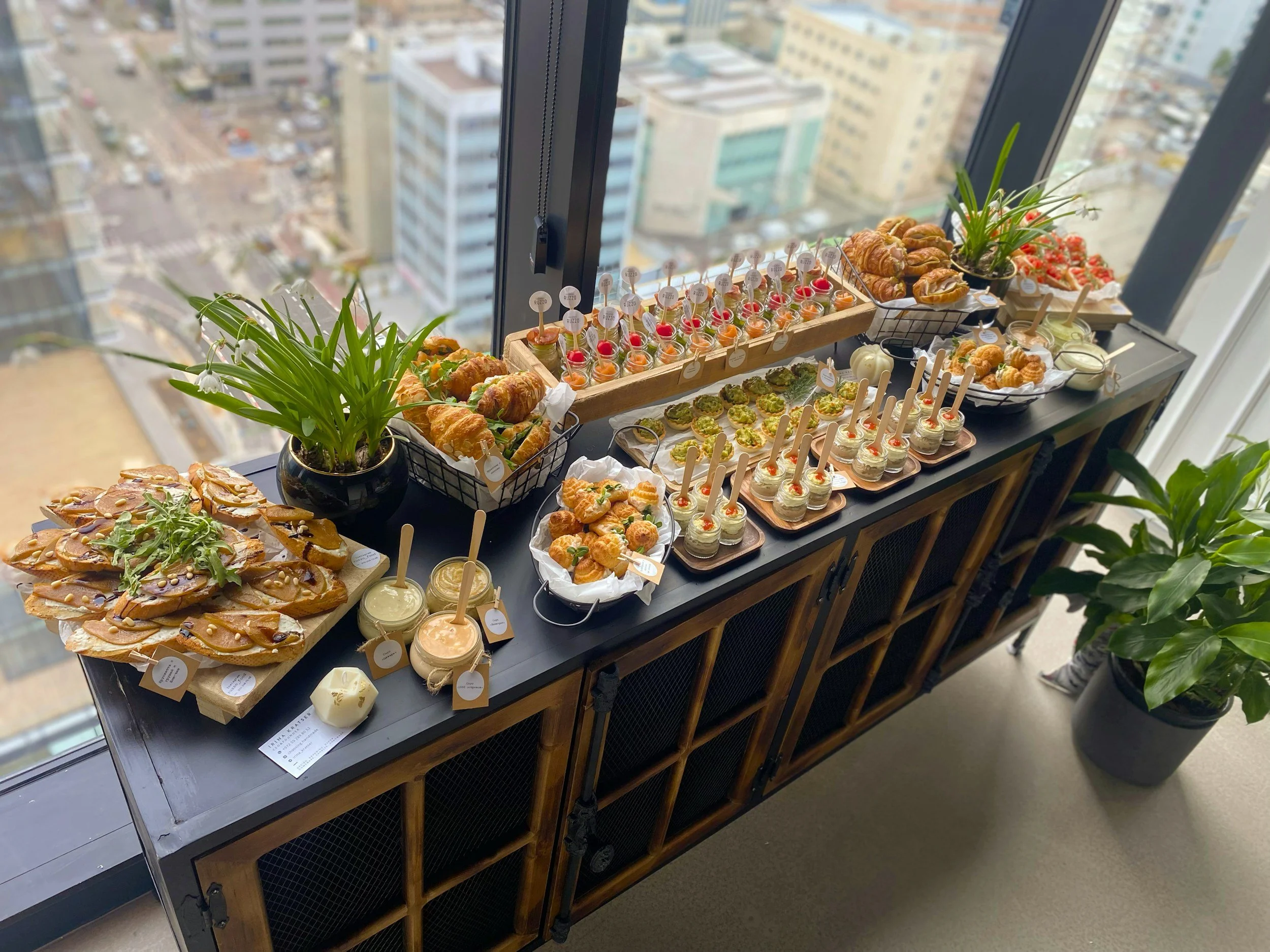
None of this requires reworking the whole breakfast service. It usually comes down to three things: ordering against real usage patterns instead of habit, storing what’s left properly rather than letting it dry out on an open counter, and having a plan for anything that doesn’t sell before it goes stale. Panificio Italiano, a wholesale artisan bread supplier to hospitality businesses across the UK, has put together a practical guide to preserving bread covering exactly this ground. Written with the bread basket and the buffet in mind, it explains how to store and portion bread properly, and how to turn day-old loaves into panzanella, fresh breadcrumbs, or bruschetta bases. Adopting this approach comes down to planning ahead, ordering what a property actually serves, and knowing how to use up whatever is left.
Keeping It Consistent With Back-of-House Practice
Further operational habits that many hotels are actively being encouraged to adopt behind the scenes, sit naturally alongside this guidance. Smart back-of-house systems already cut waste through clearer stock rotation and tracking, and the same thinking applies directly to bread. Using older stock before new deliveries arrive, labeling what goes into the freezer with clear dates, and extending shelf life through proper storage keeps the fix consistent with practices many properties have already started rolling out elsewhere in the kitchen. It isn’t a separate initiative bolted onto existing systems. It’s the same discipline, applied to one more ingredient that has mostly gone unmanaged until now.
Bread is a small piece of a much bigger picture. The World Sustainable Hospitality Alliance has set out a pathway to a 30% cut in hotel food emissions by 2030, and every operational fix, from buffet portioning to bakery ordering, adds up toward that target. A hotel that gets its bread service right saves real money on wasted loaves, and it builds the kind of habit that makes the rest of its sustainability work easier to sustain over time.
Sea Going Green is a sustainable tourism consultancy that works together with destinations, hotels, resorts and tourism operators to support their sustainable tourism efforts while also spreading the word about how you can embrace a sustainable lifestyle. Want to know more? Get in touch.
Search the Blog….







Visit us on Instagram







The breakfast buffet is one of the places where hotels lose the most food. Learn more about how you can reduce food waste in this week’s blog!