

Welcome to our Blog
Crafting a Sustainable World, One Post at a Time

Easy Tips To Create A Sustainable Tourism Business Post-Pandemic
The tourism industry has taken a massive hit during the global pandemic with 75 million jobs put at risk worldwide. Luckily, recovery is just around the corner. This makes 2021 the perfect time to plan out how you can help your tourism business and those in your industry recover and build back better.
In this blog, I’ll provide tips in two sections: for those looking to start a sustainable tourism business and those who already have a tourism business and are looking to operate more sustainably.

The Environmental Problem With Tourism (And How to Fix It)
The truth is, tourism is unsustainable in its current form. Although, there are many new sustainable solutions shaking up the entire tourism supply chain. Ecotourism and changing perspectives on wildlife tourism give us clues into how the tourism industry will adapt to minimize the negative environmental impacts of tourism to reap the potential of the industry for improved sustainability.

What will sustainability look like in 10 years?
What do you think the world will look like 10 years from now? Do you think it will be more or less sustainable?
While for now, we can only take a wild guess at what our society will look like then, it can't hurt to find out ourselves what we can change right now to shape the future!
Today’s blog highlights 8 changes that our society must make to develop long-term sustainable solutions through the lens of the United Nations Sustainable Development Goals for 2030.

How to be Carbon-Neutral While Working from Home
While working from home has in itself helped cut down elements of our environmental impact by eliminating CO2 produced from our daily commutes and office energy usage, there is plenty more that we can do to lower our footprint at home.
In this blog, I will provide 8 eco-friendly and cost-saving solutions that you can incorporate into your daily routine to become carbon neutral while working from home!

4 Environmental Wins in 2020
Even though there is still plenty to do in 2021 in the battle against climate change, ecocide and social inequalities, 2020 also brought us a plethora of positive changes which deserve to be celebrated.
Now is the time to look back and to recap some of the success stories. Keep reading to look back on some of the biggest environmental wins of 2020.

4 Tips for an Eco-Friendly Staycation
Have you ever had a staycation? If not, then this is the perfect time to try it out.
Between the colder weather and COVID-19, many people are choosing to stay indoors and travel no further than their town, city’s or state’s limits. The silver lining is that by avoiding traveling far away, you not only limit your CO2 footprint, but also save money while supporting your locals! So whether you’re looking for staycation inspiration for the short or long-term, we’ve got you covered.
Here are four tips to put together an enjoyable and eco-friendly staycation of your own.

How Instagram is Changing the Tourism Industry
Instagram has found its way to the hearts of wanderlust-filled travelers thanks to its easy-to-use features and eye-catching content. On the platform, users share moments from their everyday lives with their friends and followers via posts and stories. Traveling is no exception. Posts from tourism destinations around the world have become increasingly popular, leading to the rise in tourism in the world’s most picturesque destinations.
In this blog, we’ll cover why and how Instagram has changed the tourism industry along with suggestions on how your travel business can use the popular platform as a tool to boost engagement and bookings.
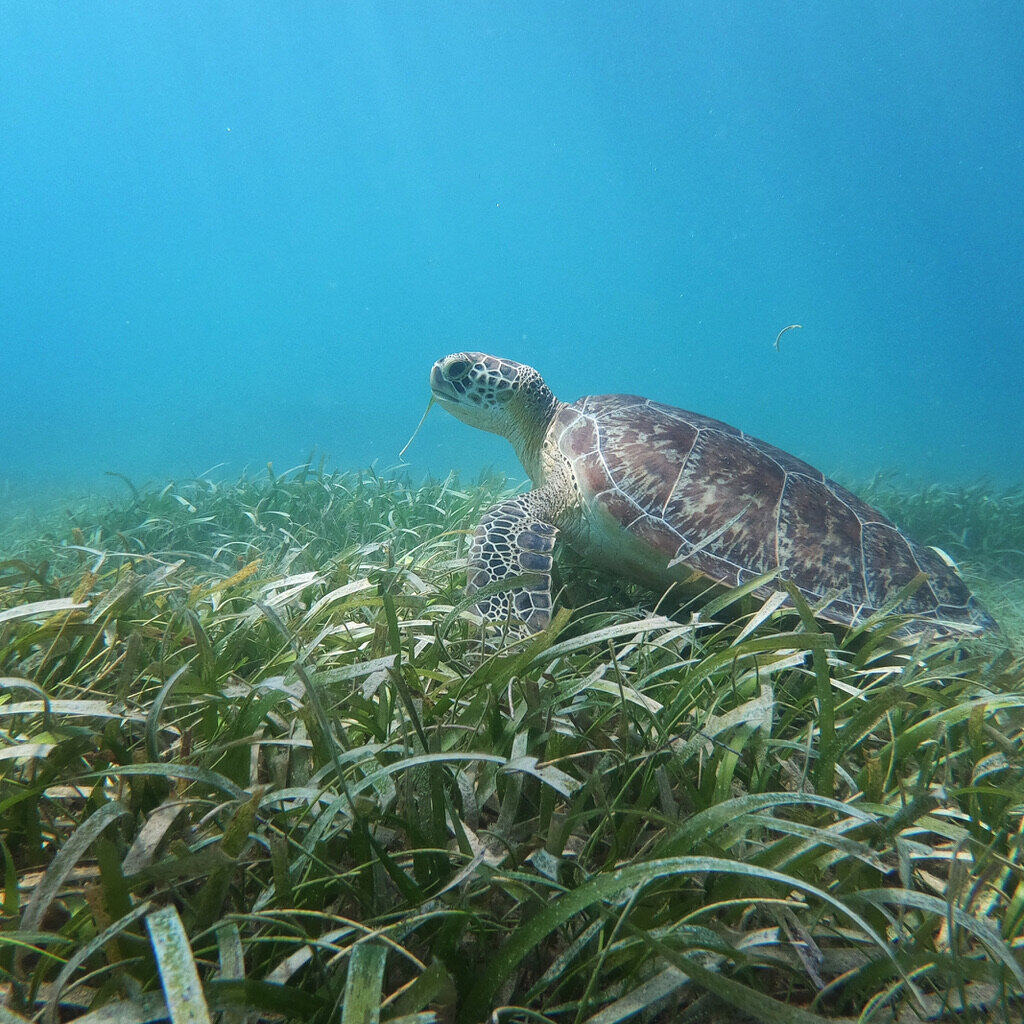
Interview with CO2 Offsetting Partner: SeaGrass Grow
Sea Going Green is proud to announce that we have officially partnered with CO2 offsetting project, SeaGrass Grow!
SeaGrass Grow (a project of The Ocean Foundation) conducts coastal habitat restoration projects around the world by rehabilitating and conserving seagrass meadows, mangrove forests, and salt marshes to capture and sequester CO2, prevent storm surge, enhance the quality of marine habitats for local species, improve water quality and more!
Learn more about their mission, projects and impact in our blog interview with Ben Scheelk, Program Officer at The Ocean Foundation.

3 Upcoming Trends for Sustainable Food Experiences
While sustainable food production and sourcing is not a new concept, this trend in the hospitality industry has cultivated a newfound interest in foodies and managers alike. Sustainable food production and consumption not only benefits hotels to reduce their environmental impact, but also supports local communities and builds consumer loyalty.
In this blog, we’ll look at the three hottest trends in sustainable food experiences from the local sourcing of products to urban farming to zero-waste creations. Together, these three trends are setting the scene for the future of innovative sustainable dining experiences. Read on to see how!
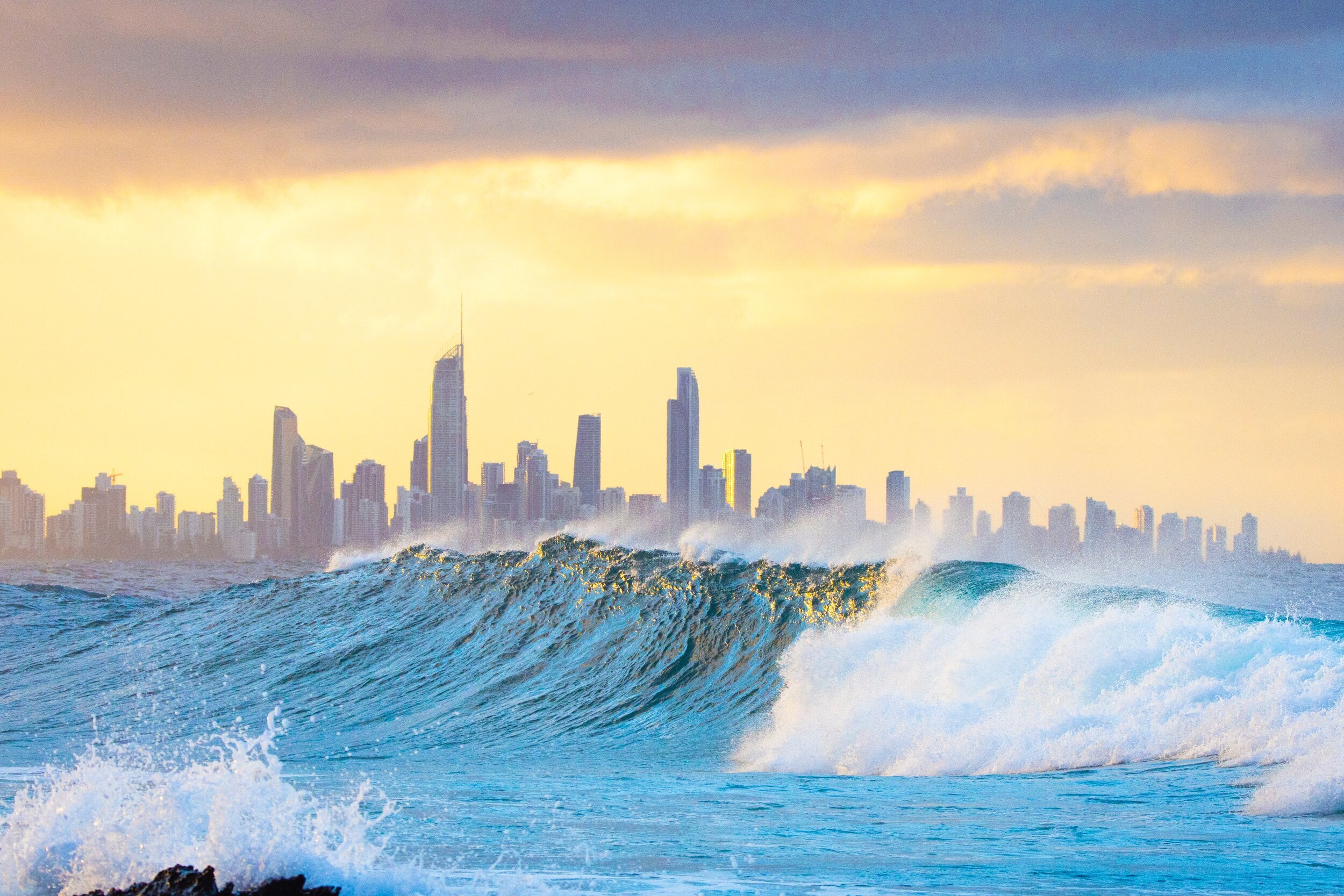
The Rise of Domestic Tourism
In an attempt to revive the industry as coronavirus continues to pose a threat, the focus of marketing campaigns and target market strategies have been shifted primarily towards the phenomenon of domestic tourism.
In this blog, I will take a look at a few of the ways travelers have been enjoying vacations closer to home and how destinations have successfully marketed to these domestic travelers.

Bamboo Products: 7 Sustainable Alternatives You Should Try
With consumers becoming more aware than ever of the impact their shopping choices have on the planet, now is a great time to look at 7 examples of how bamboo is becoming a viable eco-alternative. In this blog, we’ll cover 7 sustainable bamboo alternatives to common household items from toothbrushes to re-usable cutlery to toilet paper.

Bead the Change: Supporting Local Entrepreneurs and Sustainability Projects
Bead the Change is an initiative that supports local female entrepreneurs in Ghana while promoting projects that are working towards increased social and environmental sustainability. Each color of their bracelets is associated with a specific cause that you can choose to support. With each sale of a traditionally-made glass beaded bracelet, a portion of the proceeds is donated to these projects, which is a win-win for the local economy, livelihoods and our planet!
Keep reading to find out more about Bead the Change’s mission, how they make their bracelets and how they are pushing the sustainability agenda forward with each bead made!

Cruise Line Sustainability Post COVID-19: Where to now?
Here in Part Two of the ‘Cruise Line Sustainability’ series, we address each of the challenges identified in Part One to provide a broad, high level overview of current and potential areas of focus to improve sustainability.

Sustainable Tourism in Lockdown: Virtual Reality
Imagine ending another day working from home in COVID-19 lockdown with a quick trip to Tokyo, Paris or Venice? Or a visit to a Borneo nature reserve? Or a dive into the world’s most beautiful coral reefs? Now in virtual reality (VR) it is possible to teleport yourself to a different landscape and culture within seconds without the jet lag, CO2 footprint or stresses of a long-haul flight.
In this blog, I will give a first-hand account of the kind of sustainable travel experiences that you can find in virtual reality as well as VR’s potential to innovate the tourism industry post-COVID. Let’s jet-set!

Why CO2 Neutrality Should be Your Next Business Milestone
Understanding why CO2 neutrality should be your new business milestone will put you in the right direction of lessening your environmental footprint.
CO2 neutrality is a great goal to achieve as a business to play your part in giving back to the environment as well as strengthening your company and its potential as a brand. Want to know how? Read my top tips.

A leader in the Re-green Revolution: Introducing Justdiggit
Sea Going Green is excited to announce our partnership with Justdiggit!
Justdiggit is an initiative that focuses on turning degraded lands that have become dry and barren into lush green areas throughout Kenya and Tanzania. This not only positively impacts the farmers that are able to work on the land, but also the surrounding biodiversity, local people and of course, our climate.

5 Easy Ways to Encourage Beach Goers to Recycle
Recycling and communicating proper disposal are the main strategies that are used to prevent waste from ending up in our nature, waterways and our oceans. Truthfully, these strategies still require improvements to be fully effective, which is why it is so important, whether you are on land or at sea, to encourage beachgoers and guests to recycle.
In this blog you’ll find useful strategies that you can incorporate into your operations.
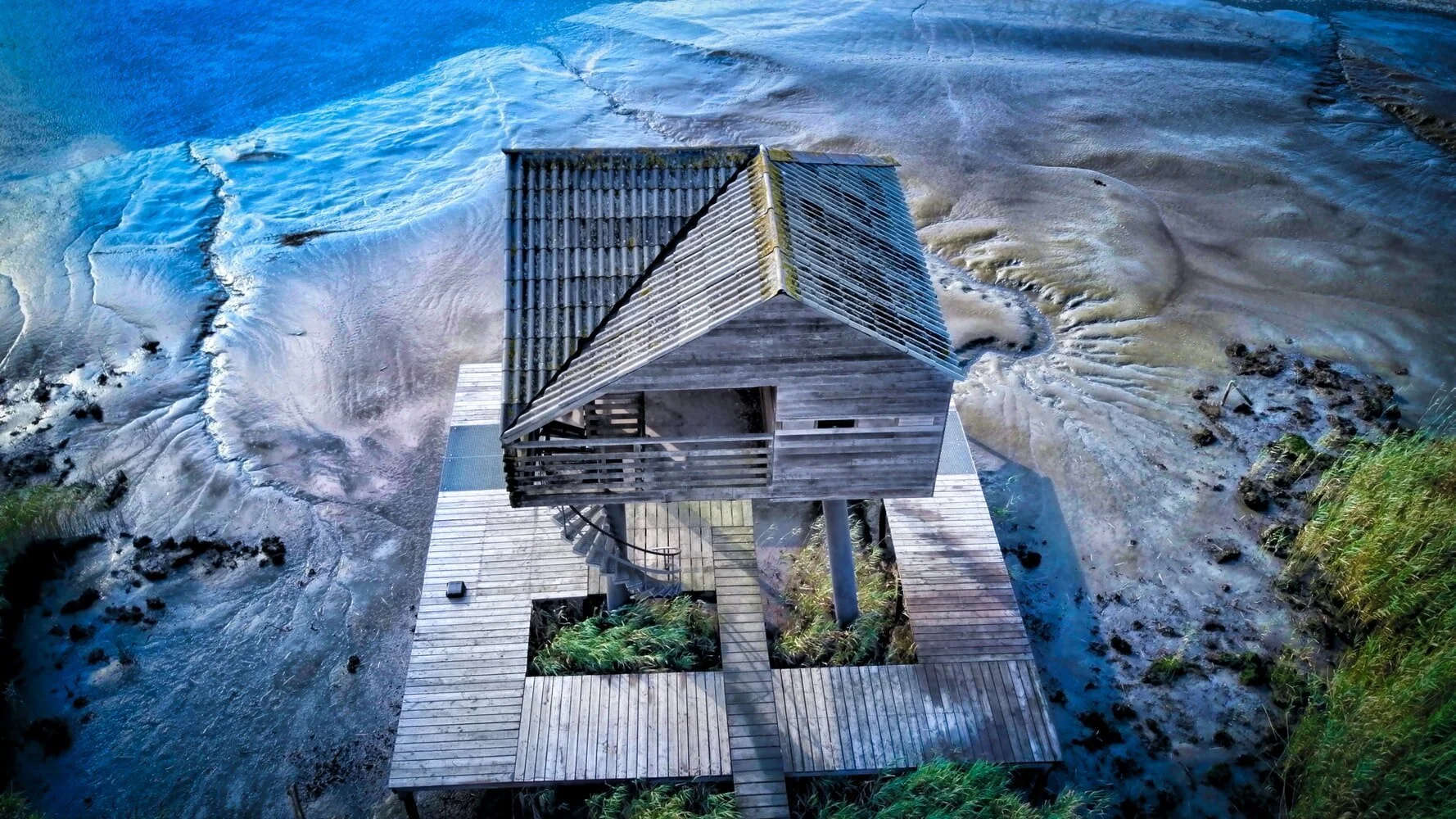
Tiny Home Vacation Rentals: For The Eco-Friendly And Adventurous Traveler
Tiny houses are the latest vacation rental craze, especially for the adventurous traveller who is looking for unique sustainable experiences and value for money.
In this blog, I’ll discuss what makes these tiny house rentals so unique while highlighting some examples of how these accommodations can help you lower your environmental footprint while traveling.

Changing Tides of Sustainability on Maya Beach
Back in 2018, we wrote about the closing of Maya Beach in Thailand in the wake of environmental degradation caused by the phenomenon of overtourism. This closure signified an on-going trend: that many popular destinations were at capacity for tourism.
Now, 2 years later, we’ve had the chance to interview with Manuel San Martin from the Pura Vida Diving Koh Phi Phi Center to gain insight into the progress that has been made on Koh Phi Phi Leh and how the new sustainable tourism plan will take shape once the bay re-opens “tentatively” in 2021.
Dive in and read more about Maya Bay’s progress towards recovery and what lies ahead for the island.

Sustainable Marketing: New Challenges and Opportunities
Biodegradable, eco-friendly, organic – these green branding concepts have rapidly burst into our lives and continue to gain momentum, forcing businesses to reckon with them. Today, a third of customers prefer to interact with brands for whom eco consciousness is more than just a phrase, but a core principle.
Luckily, many international organizations and businesses have begun taking aggressive action to combat the deterioration of natural conditions including changes within their own operations. As a result, restructured marketing can be used as a tool to reflect these changes to become a full-fledged herald of the brand's sustainable mission and convey this to as many potential customers as possible.
You’re probably thinking, what can I do and how can I do this– let's unpack this now.